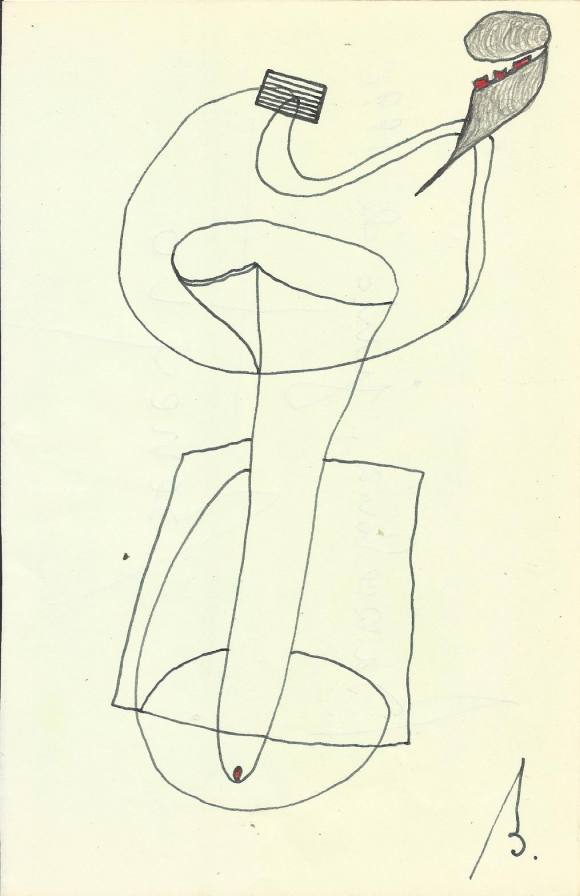
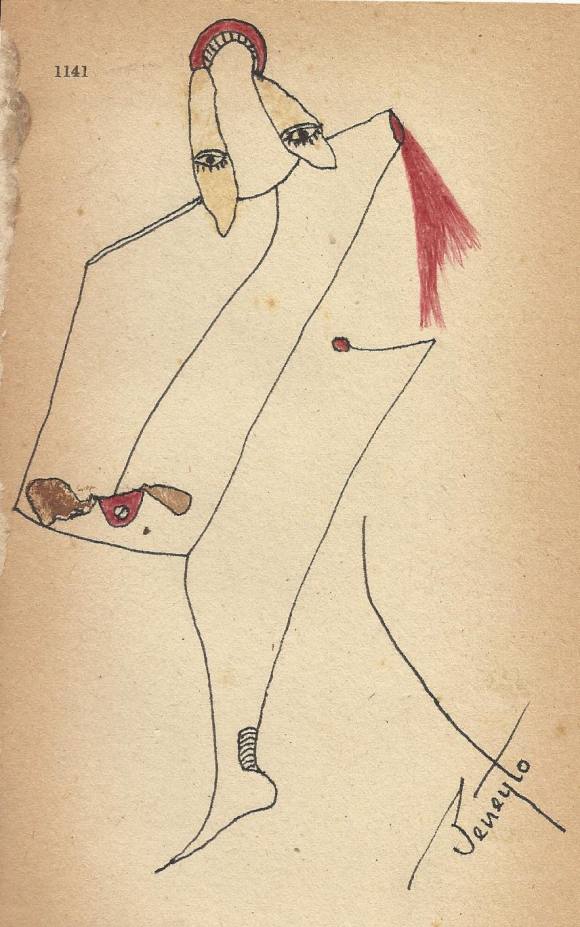
Salvador Dalí: "The Tricorn"
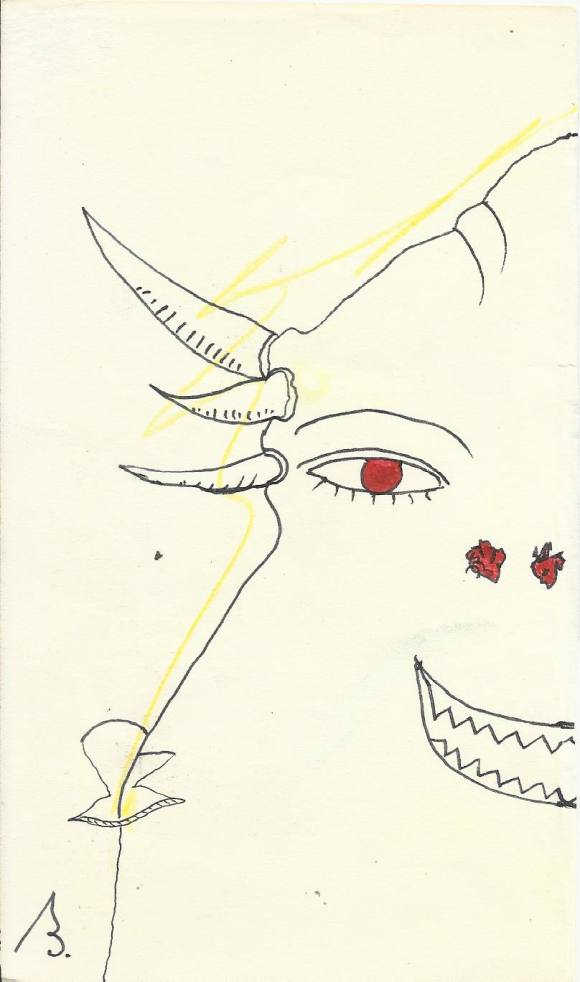
Author: Salvador Dalí. Title: The Tricorn. Description: Lithograph on paper 61/120. Unframed dimensions: 26x32 cm. Certificate of authenticity included. Artwork in good condition.
End Date: 9/15/26 8:05 PM
Attention! Start session for bidding for this lot.
TEXTILE FACTORY IN LA FARGA DE BEBIE It is a centuries-old textile colony. It is shared between the municipalities of Montesquiu and Les Llosses, straddling the regions of Osona and Ripollès, and between the provinces of Barcelona and Girona. It was founded in 1895 by the Swiss citizen Edmond Bebié, which is why it was also known as the colony of the Swiss. In the 2005 census it had 56 inhabitants. The colony is located on both sides of the Ter, in a very pronounced meander. It is made up of two factories, the company offices, several residential blocks, two owners' towers (the old tower and the new tower), a church, a sports court and a train stop. The core of the colony is a large warehouse factory, the old factory. The manufacturing facilities were expanded in 1917 with the second factory with a ground floor and one floor, located on the left bank of the Ter.

Author: Salvador Dalí. Title: The Tricorn. Description: Lithograph on paper 61/120. Unframed dimensions: 26x32 cm. Certificate of authenticity included. Artwork in good condition.
Author: Pablo Picasso. Lithograph from the "Le Goüt de Bonheur" suite. 32.5 x 25 cm. Cercle D'Art Editions, Paris, 1970. Numbered H.C./XX. Certificate of authenticity included. Artwork in good condition. Hand-signed. Arches paper.
ArtArtwork by Claude Forestin, Haiti Mixed media on canvas Hand-signed in the lower center The artArtwork depicts women engaged in their daily field Artwork It is one of the few examples of Haitian art Measurements of the artArtwork: 100x75 cm with frame: 120x92 cm
Pastel by Jaume Queralt, acquired from the artist at the Salou Yacht Club exhibition. Drawing dimensions: 48 x 23 cm; framed: 47 x 72 cm. Born in Tarragona in 1949. He received his artistic training at the La Massana School in Barcelona. From childhood, he was drawn to painting, an art he was able to develop thanks to the encouragement of the Brothers of La Salle. They convinced his father to support his vocation, and from that moment on, in addition to being his father, he became his most loyal ally. He began painting professionally at the age of 23, but both before, during his training at the Tarragona Art Artworkshop School, the Massana School, and the Cercle de Sant Lluc, and now, when his voice has a place in the art world, Jaume has always considered himself a very disciplined artist. His interest in the past, in the universe of memories, manifested itself during a period of his life when, in Olot, a volcanic landscape of rugged beauty that would captivate any artist, he chose to paint the interiors of antique shops. There he discovered dolls, antique dolls, the main subject for which he is known: “I have found another dimension in dolls.” It is an almost magical dimension, one that brings an object to life on the horizonless canvas of a painting. He uses all kinds of techniques in his Artwork: oil, pastel, collage, watercolor, clay, terracotta, bronze, lithography, drawing, graphite, and etching. He has exhibited individually and collectively on numerous occasions, and his Artwork is represented in public and private collections worldwide, including in the United States, Switzerland, China, Japan, France, and Mexico. He has also received important awards, including: 1972 First Prize from the Paestum Academy, Italy. Silver Plaque at the Mexlicáltizin Moctezuma Biennial, Mexico. 1976 First Prize for Drawing, Amposta, Tarragona. 1977 First Prize for Drawing, Amposta, Tarragona. 1989 First Prize for Painting, Gimeno Medal. 1990 First Prize for Abstract Painting, Val d'Or, France, and Artwork selected for the Salon d'Automne, Grand Palais des Champs-Élysées, Paris. First Prize, Penagos, Madrid. Lamborghini Prize, 1st Tribute to Ferruccio Lamborghini, 2018
Font Sellabona, depicting the Roman bridge of Vic. Acquired from the artist himself, like other Artworks. Mixed media: drawings and watercolors on paper, elegantly framed. Total size 66x82 cm, drawing 47x64 cm. Josep Font Sellabona (Collsuspina, 1928 – Vic, Osona, 2010) was known as "The Troubadour of Catalonia" and was one of the pioneers of Catalan song, as he began performing songs in this language by Joaquín Soler Serrano, although he did not record them. Later he did record some EPs: In 1961: "Mercado del ramo," "Pájaros cantores," "Rosalia encantando," "Canción del enfadoso." In 1963: "El caballero Godia," "María Roser," "El modernizado," "Un cielo más azul." In 1964: "A Foreign Bride," "To Emili Vendrell," "The Umbrella," "The Candles." His songs oscillate between a conservative view of social reality and a harmless, romantic-rooted patriotism. He was also a professional painter, a field to which he dedicated more time than to songwriting, especially from his studio open to the public in Vila Vella of Tossa de Mar, where he primarily painted landscapes in a conventional style derived from Impressionism.