
Art in the Picasso style (I): stages in his artistic production
Personajes famosos Picasso Arte Arte moderno Pintura Vanguardias cubismoPablo Picasso is one of the most famous geniuses of modern art. A standard-bearer of the Spanish avant-garde, his name spontaneously comes up at the mere mention of the term *cubism*, a movement of which he was the maximum representative. However, the almost seventy years of this Spanish master's painting career have left behind a wide range of styles, experiments, innovations, and modes of expression, turning its creator into one of the most interesting, complete, and versatile painters on the universal art scene.
Stages in the work of Pablo Picasso
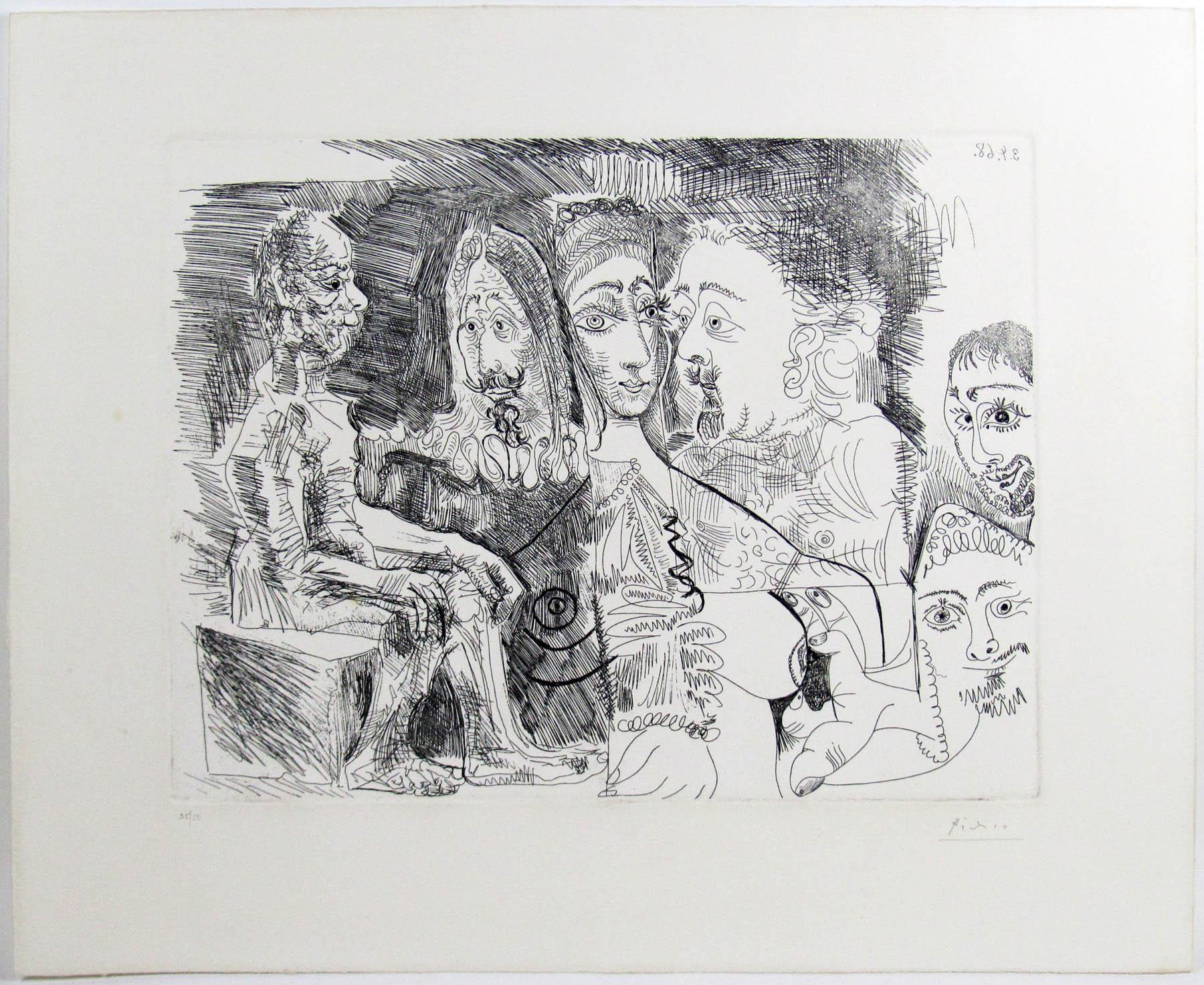
Pablo Picasso is the author of a prolific and fruitful body of work. There are thousands of pieces that bear his signature, including paintings like the famous Guernica (1937), lithographs such as Paisaje Mediterráneo (Mediterranean Landscape), engravings like Viejo fantaseando (Old man fantasizing) and even sculptures like La Dama Oferente (The Offering Lady) (1933).
This immense artistic production is highly varied and complex, as Pablo Picasso's career constitutes a continuous and accelerated process of evolution. That is why his works are usually grouped into a series of stages that range from his period of apprenticeship to his period of artistic maturity.
- Training Stage (1895 - 1900)
We can find a first stage between the years 1895 and 1900, a period in which a young 14-year-old Picasso began his artistic training in *La Llotja* and, later, at the San Fernando School, finally traveling to Paris, where he met his first art dealers.
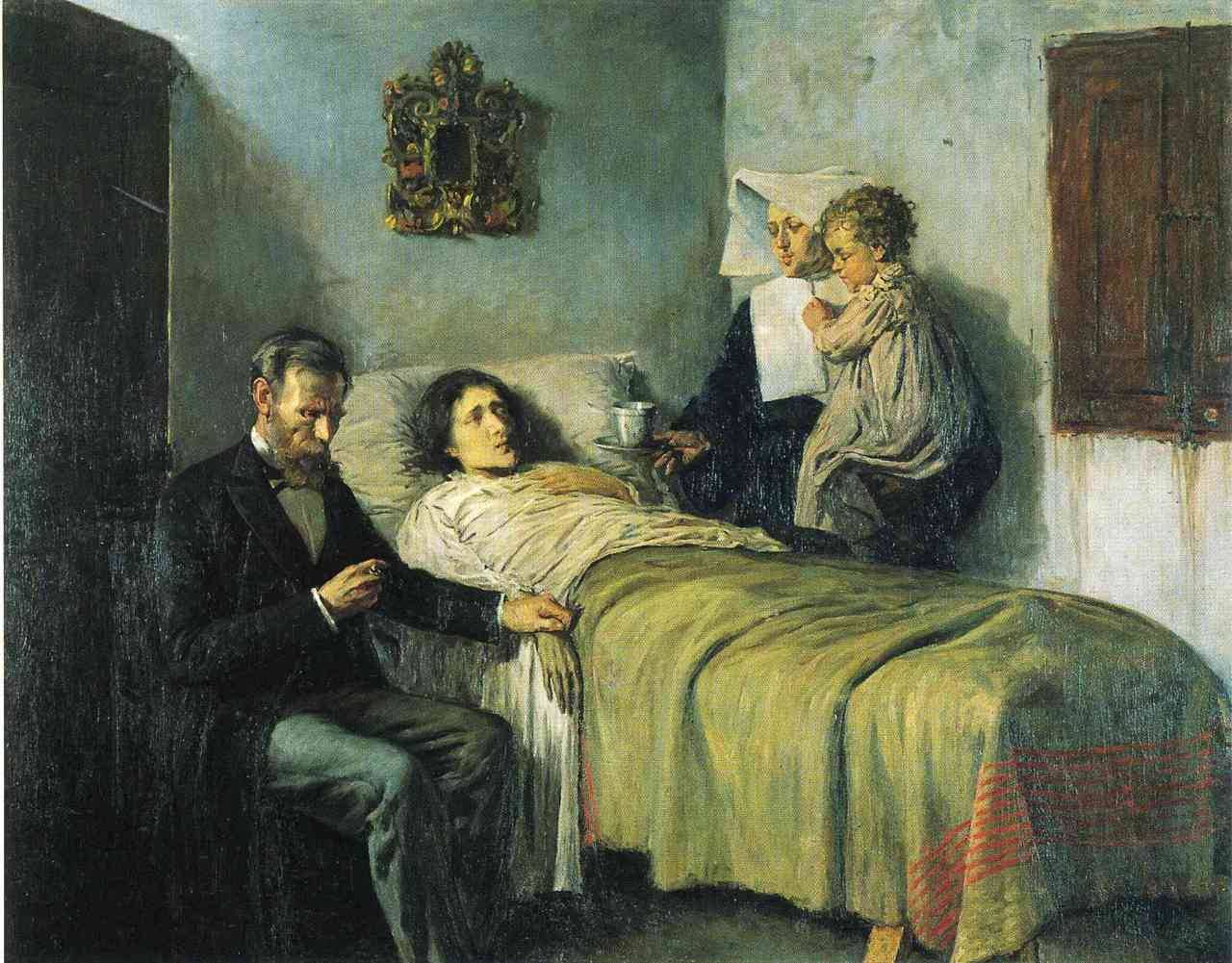
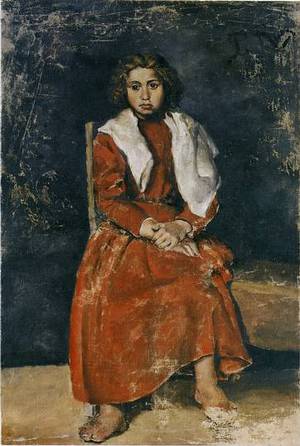
This **training stage** took place **under the influence of Catalan Modernism**, whose influence is manifested in the desire to represent the human figure acting in scenes of daily life, as we can see in Ciencia y Caridad (Science and Charity) (1897) or La muchacha de los pies descalzos (The girl with bare feet) (1895) .
We also **find certain features of the Golden Age painting in Picasso's canvases** which perhaps can be explained by the deep impression caused by the works of masters such as El Greco, Goya, or Velázquez on his repeated visits to the Museo del Prado, and from which he took **the quickness of the stroke and the sombre chromatism of his settings**, a foreshadowing of the arrival of a new stage in the life and work of the painter from Malaga: the Blue Period.
- The Blue Period (1901 - 1904)
The Blue Period (from 1901 to 1904) is perhaps, **after Cubism, the most celebrated stage of Picasso's artistic production**, although its trigger is not a cause for celebration, since, as Picasso himself acknowledged, he began to "paint in blue" in 1901 after the suicide of his friend Carles Casagemas, who for a season became a recurring motif in the painter's works.
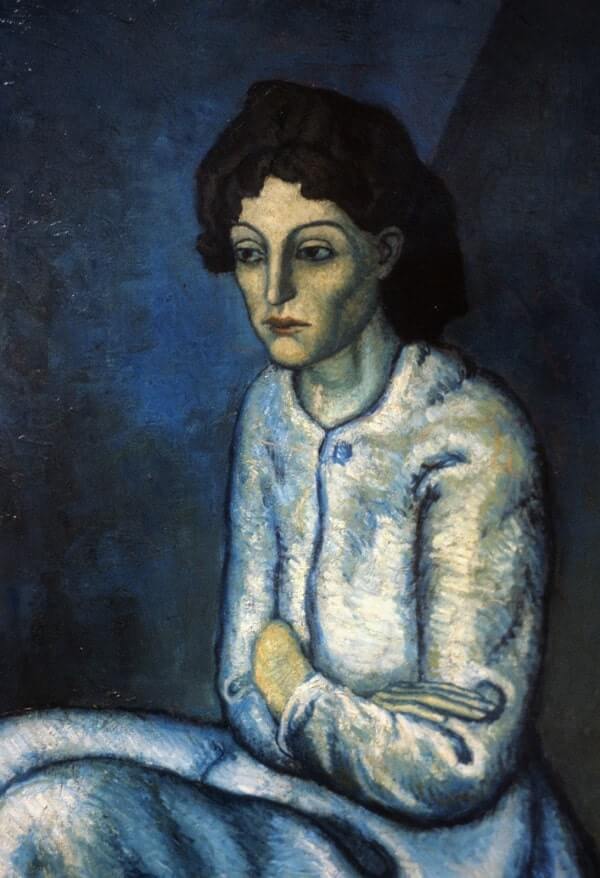
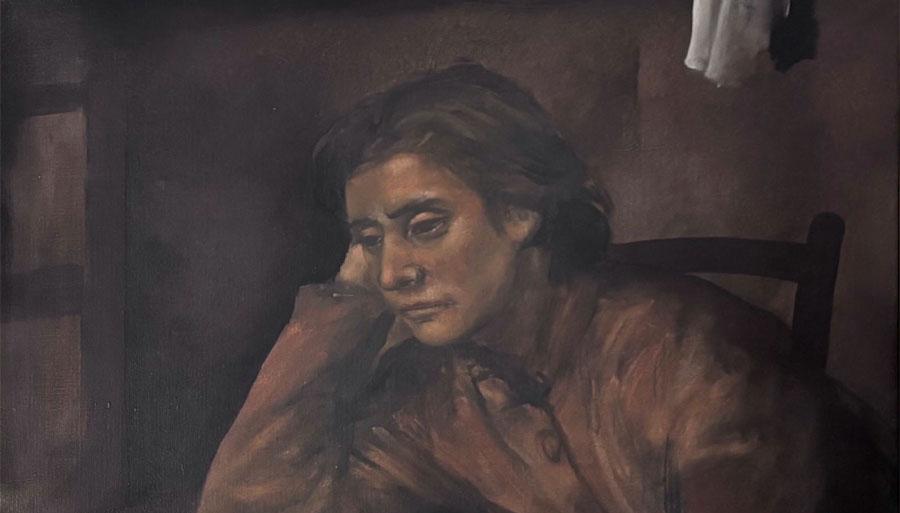
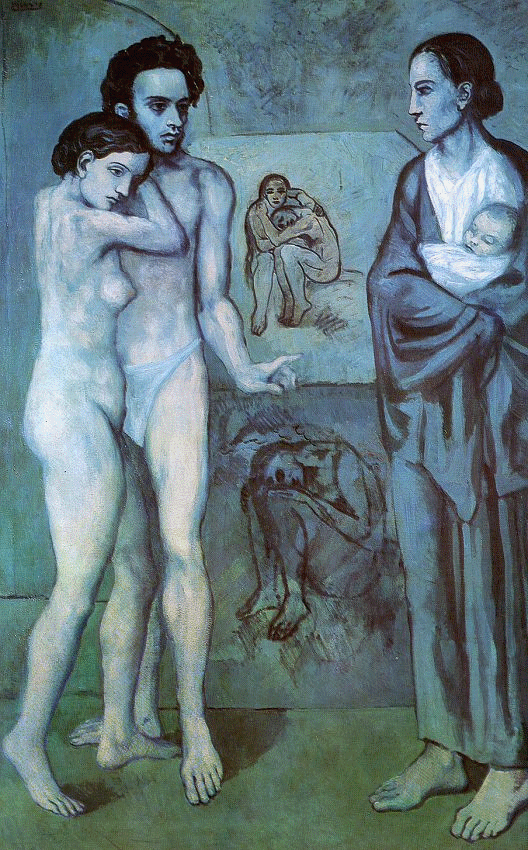
The canvases of this period are tinged with melancholy to portray the living conditions of the marginalized classes in Barcelona at the beginning of the 20th century, displaying a delicate **balance between social realism and a personal expressionism,** as we can see in paintings like Mujer con los brazos cruzados (Woman with folded arms) (1902).
**The chromatic range is cold and steely and the backgrounds are bare**, a fact that emphasizes the dramatic facet of the compositions, starring languid and slender characters with a certain influence from *Greco-like* figuration. In this way, Picasso's pictorial universe is populated, during these years, by desolate, lost characters, such as those starring in the paintings El viejo guitarrista (The Old Guitarist) (1903-1904) and La Vida (Life) (1903).
In 1904, already settled in the bohemian neighborhood of Montmartre, Paris awakened new concerns in Pablo Picasso and rejuvenated his creative forces. Attracted by the charming bohemian atmosphere and the hustle and bustle of the city, the painter renounced the bluish veils to be seduced by circus shows, crowded bars, and other attractions of the Parisian bohemia, thus laying the foundations for a new stage in his artistic production.
- The Rose Period (1905 - 1906)
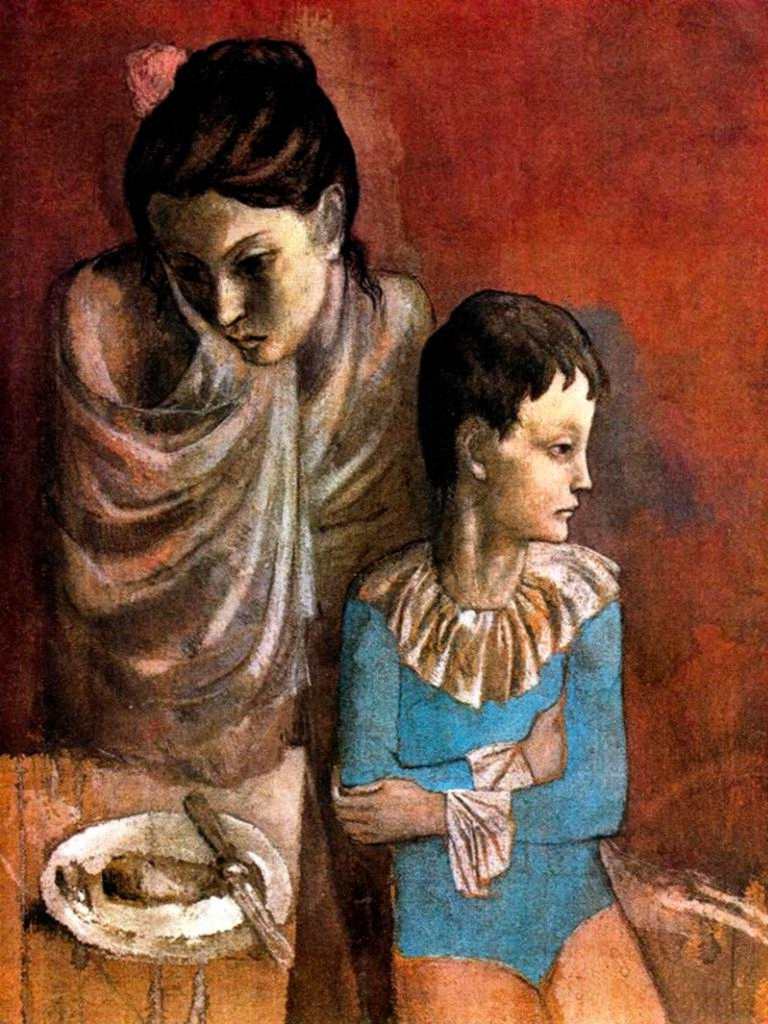
The **Rose Period** (from 1905 to 1906) gets its name from the drastic change implied by the warm chromatism of the paintings by Picasso during these years compared to the melancholic atmosphere of the previous Blue Period.
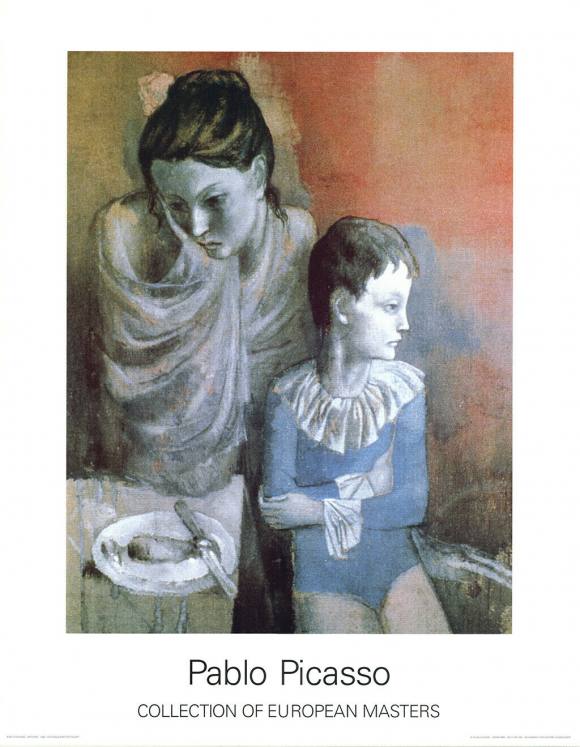
Although the painter also cultivated the nude during this period, **the most recurring themes are circus scenes, in which Picasso represents itinerant comics, acrobats, and harlequins with a soft stroke and a candid appearance**, like those we can see in Famille de Saltimbanques (Family of Saltimbanques) (1905).
During the **trips made during this period to Holland and Gósol** (Lleida), the young Picasso came into **contact with the ancient manifestations of Romanesque and Peninsular art**, whose influences contributed to forging what would later be known as the Black Period of Pablo Picasso.
- The Black Period (1907 – 1908)
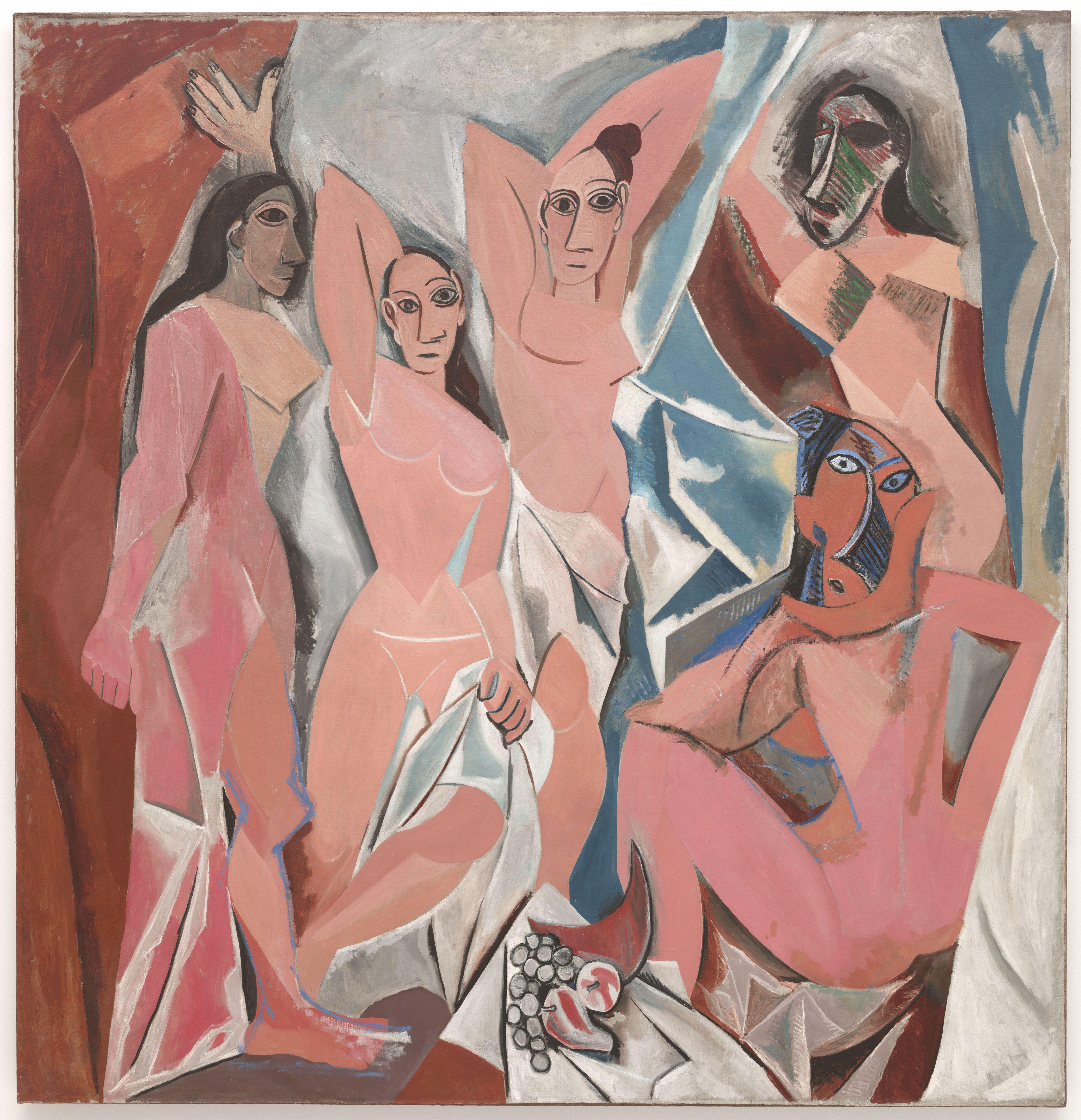
The **Black Period** (from 1907 to 1908) **materializes the confluence of the experiences acquired by Picasso through his study of classical painters like Cezanne or Ingres** **and through the trips made in previous years to Holland and Gósol, where he came into contact with Romanesque art and the primitivism of Iberian statuary.**
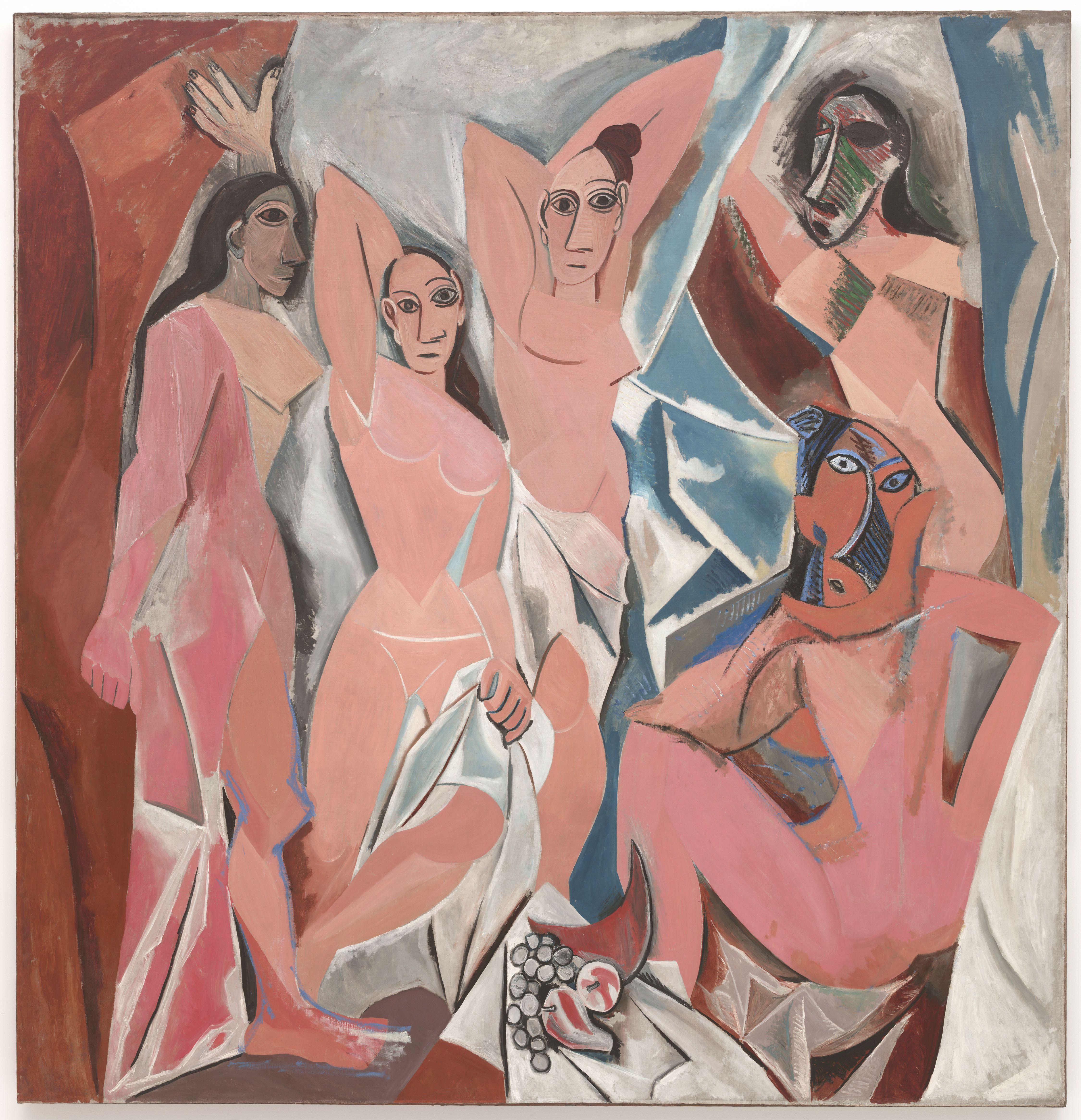
**A process of schematization and geometrization of forms began in this stage** in which bodies and things were reduced to simple and archaic elements, gaining in expressiveness. In terms of colors, **ochres and reds predominate**, which grant drama to the compositions.
The most iconographic work of this period is the famous painting Las señoritas de Avignon (Les Demoiselles d'Avignon) (1907), where **the angular lines and the mask-like faces predict the seed of the most emblematic of the Picasso periods**: Cubism.
- Cubism (1908 - 1916)
,_oil_on_canvas,_60_x_73_cm,_Mus%C3%A9e_Picasso,_Paris.jpeg)
The **Cubist period** (from 1908 to 1916) **represents a break with traditional Renaissance perspective**. Pablo Picasso and George Braque, the main representatives of this avant-garde movement, **rejected classical canons with the aim of including in the canvas itself both binocular vision and the different angles from which the represented object can be viewed**.
Since there are common features, the immense artistic production of Pablo Picasso during this period is usually cataloged under the general heading of *Cubist style*, although **it is a complex stage in the painter's career, making it possible to diagnose several phases**.
The first of these is **Analytical Cubism** (between 1908 and 1910), characterized by compositions in which **Picasso focuses on the exhaustive analysis of the motif**, **which is broken down into as many planes as required by the rendering of its different points of view**, as shown in Paisaje con dos figuras (Landscape with Two Figures) (1908).
Regarding the colors, **dark and light planes are juxtaposed and chromatism loses prominence compared to form, until it is reduced to a wide range of grays, greens, ochres, and browns**, as we can see in Figure dans un Fauteuil (Figure in an Armchair) (1910).
A second, brief phase that took place between 1911 and 1912 is called **Hermetic Cubism**, and **arose from Picasso's Cubist interest in including the largest possible number of planes by incorporating time as a new dimension of the canvas**.
**Consequently, the paintings of this period display marked abstraction**. Geometrization becomes complicated until **the motifs become practically unrecognizable**, as we see in El Poeta (The Poet) (1911) or Naturaleza muerta con clarinete (Still Life with a Clarinet) (1911).
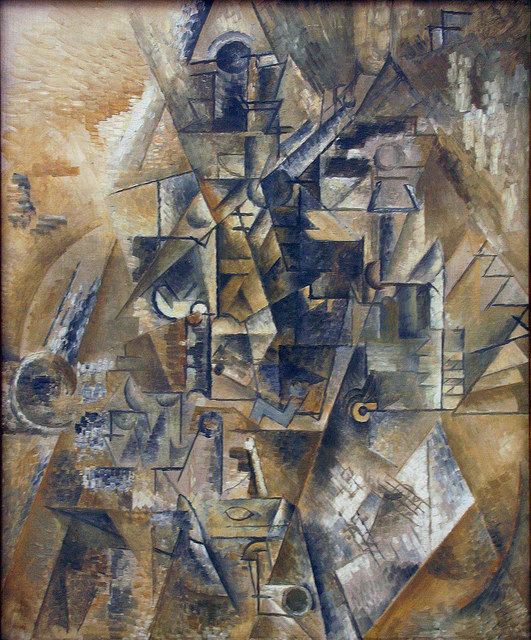
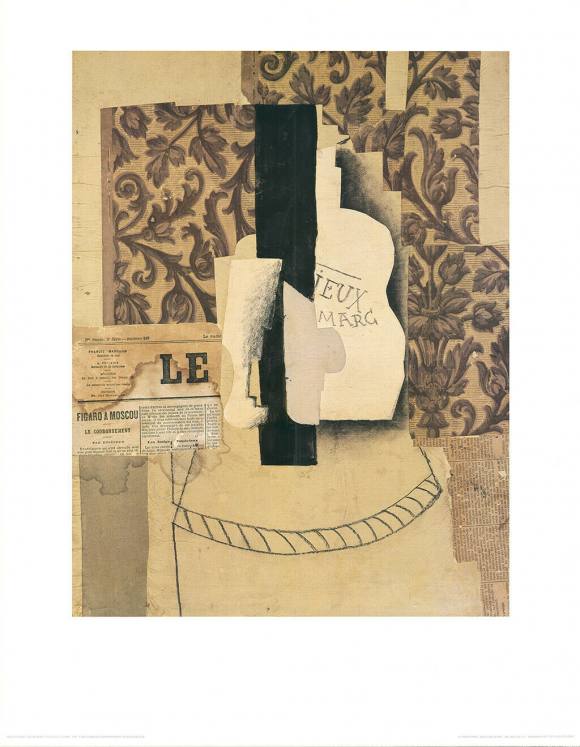
**The introduction of the collage technique** is also an innovation of this period, conceived **as a way to recover color**, abandoned in the first Cubist phase, **and to improve the legibility of the works**, so **its adoption implies the transition towards a less abstract figuration**, which leads us to the last phase of the Cubist period: Synthetic Cubism.
**Synthetic Cubism** spans from 1912 to 1919. During these years, **Picasso imbues his works with clarity and color, turning them into more decorative than conceptual pieces**. Examples include Guitarra, clarinete y botella sobre una mesa (Guitar, clarinet, and bottle on a table) (1916) or La bouteille de Bass (The Bass Bottle) (1914).
After the end of World War I, Picasso became interested in other arts such as music and ballet, even finding his niche in the world of spectacle, frequently collaborating with Russian ballet organizations. This experience is pictorially manifested in a series of paintings produced by the painter between 1919 and 1924, a time known as the Neoclassical period.
- Neoclassical Period (1917 - 1924)
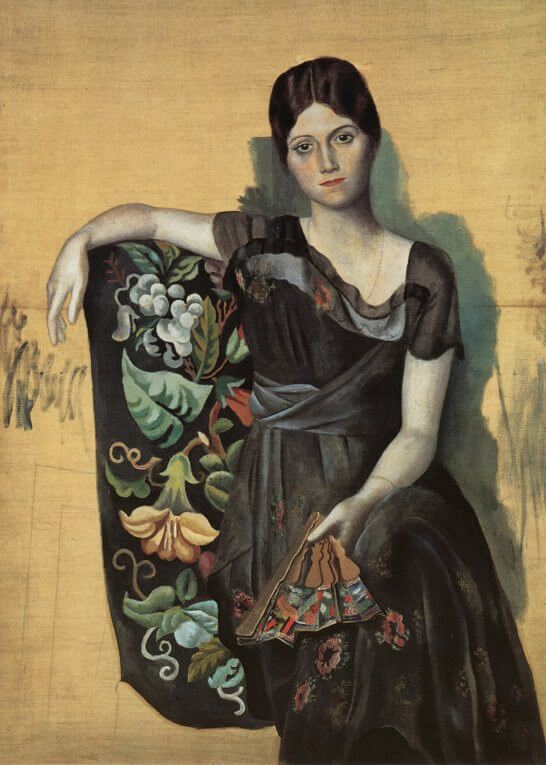
During this stage, **although Picasso did not totally abandon Cubism, the features were much more classical and soft**, as we see in Retrato de Olga en un sofá (Portrait of Olga in an armchair) (1918) or in *Paisaje con árboles muertos y vivos* (Landscape with dead and living trees) (1919).
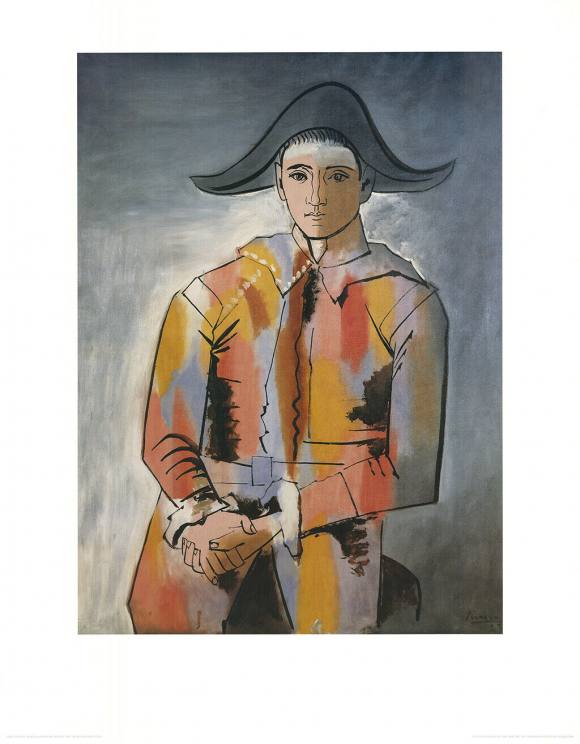
**He also developed a series of colorful, geometric, and flat compositions** featuring harlequins or other spectacle characters such as dancers or musicians, among which we highlight one of the most well-known works by the Malaga painter, Los tres músicos (The Three Musicians) (1921).
- Surrealist Cubism (1925 - 1935)
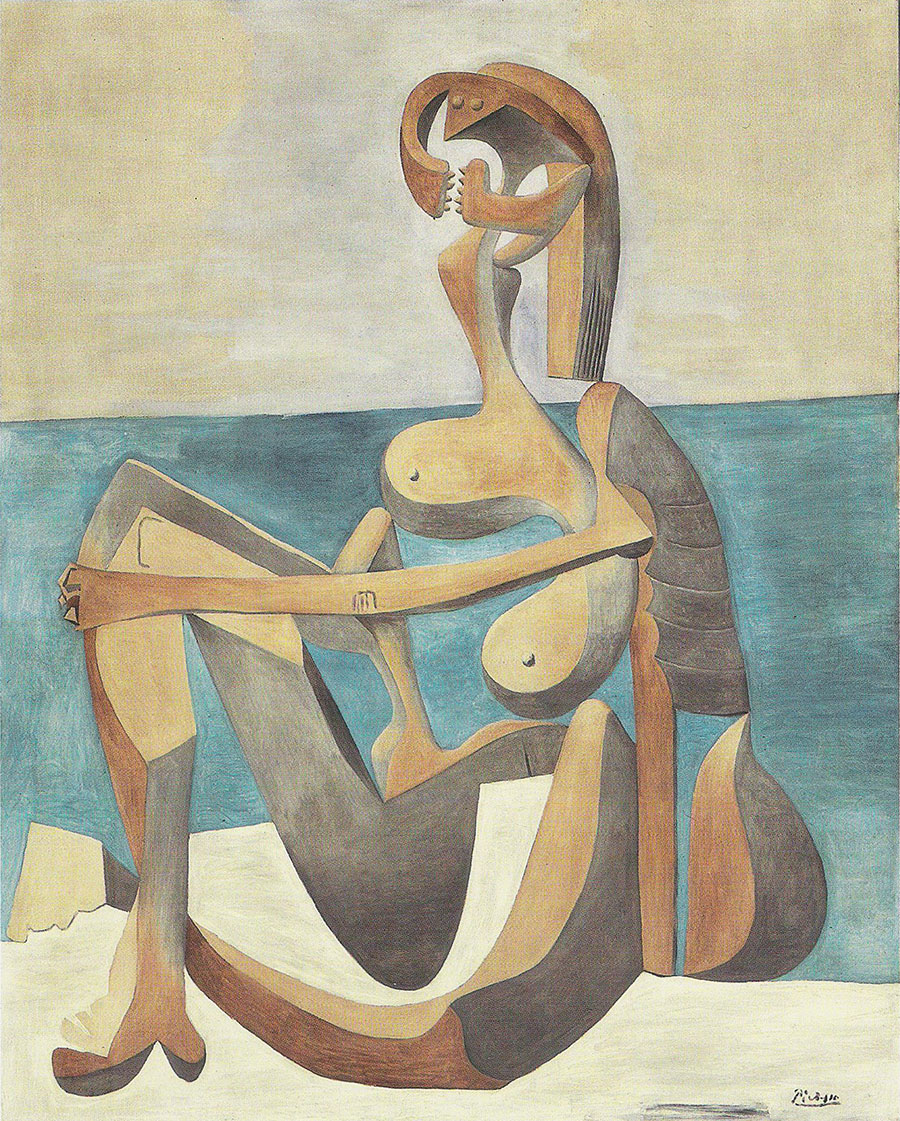
The emergence of the avant-garde put an end to Picasso's brief return to the brushwork of the classics. **From 1925 onwards, fascinated by the theoretical writings of André Bretón and by the works of Yves Tanguy and Joan Miró**, **the painter headed towards a new proposal of artistic expression** that would culminate in his Surrealist period.
Picasso has never been considered as belonging to the Surrealist group, although **it is possible to appreciate the influence of Salvador Dalí** **and other Surrealists** **in works such as Bañista sentada a la orilla del mar** (Seated Bather by the Sea) (1930) or La danza (The Dance) (1925).
Influenced by the surrealist fever, during this stage, **Picasso assumed the avant-garde premise of creating plastic metaphors through the metamorphosis of forms, using painting as a means to express the hardships of the first half of the 20th century**, ravaged by wars and social and economic crises.
- Maturity Stage: Pablo Picasso's Cubist Expressionism (1935 - 1972)
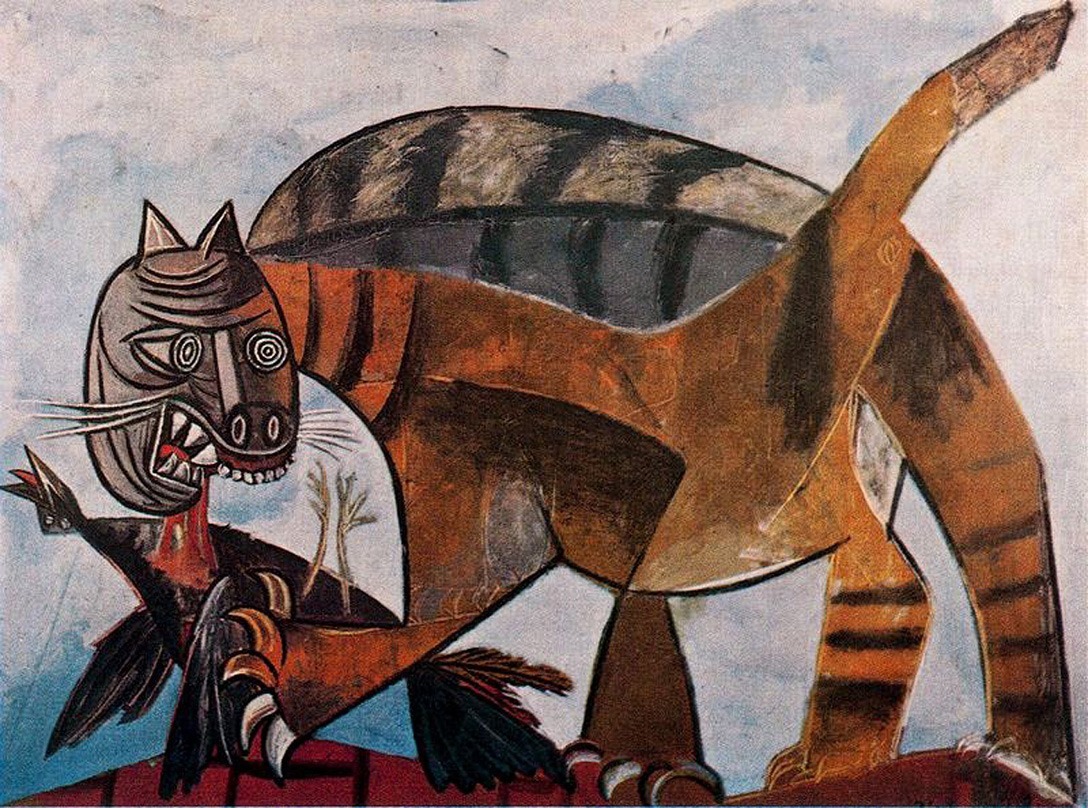
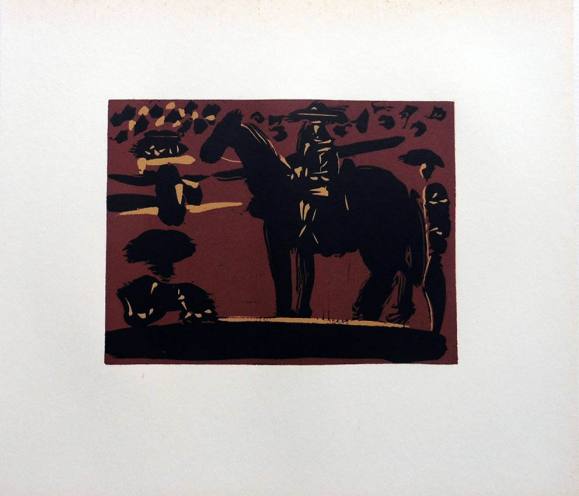
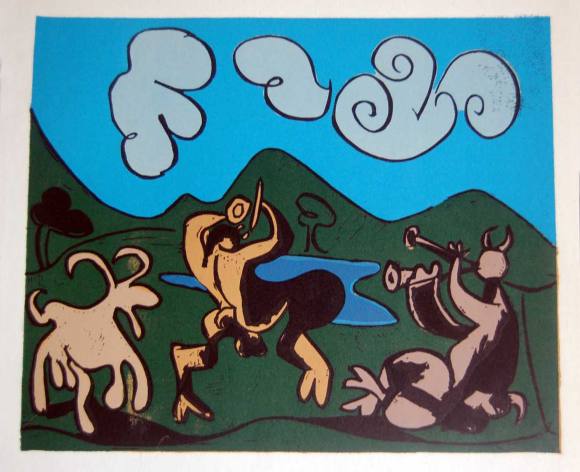
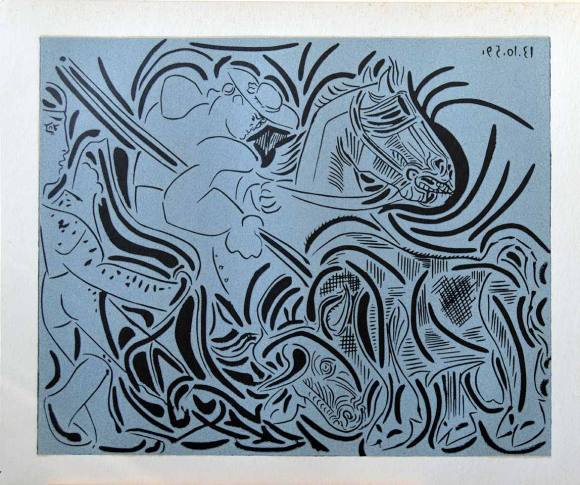
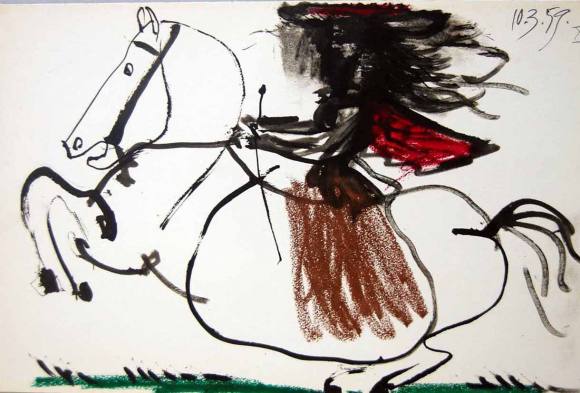
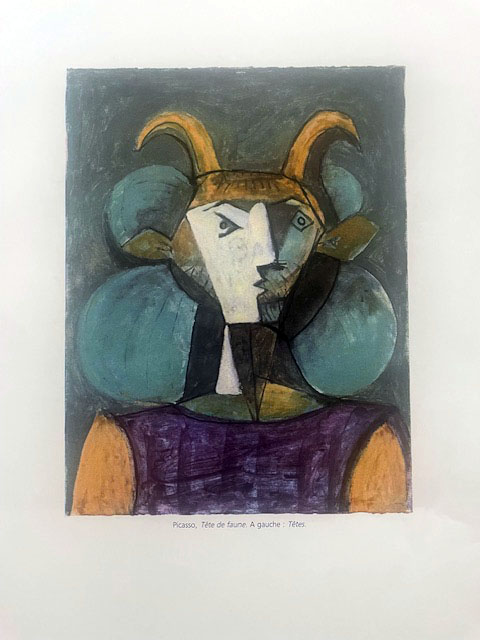
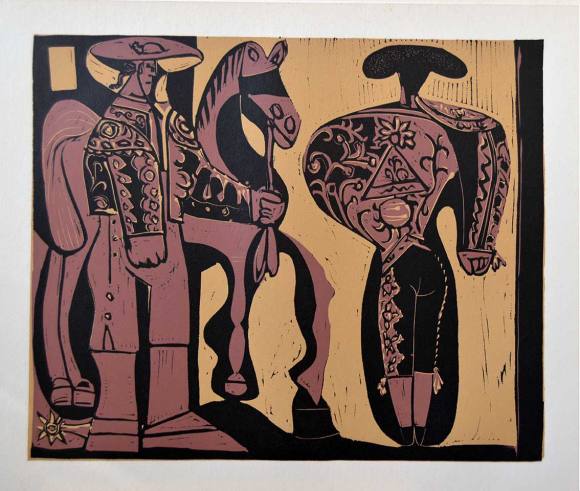
Although he sympathized with Surrealism, **Picasso refused to subscribe to pictorial movements, displaying a personal Cubist expressionism** inherited from his multiple experiences with painting and his constant experimentation with numerous styles and forms of expression. **We are talking about the genuine Picasso style**. Unstable and changing, yet recognizable.
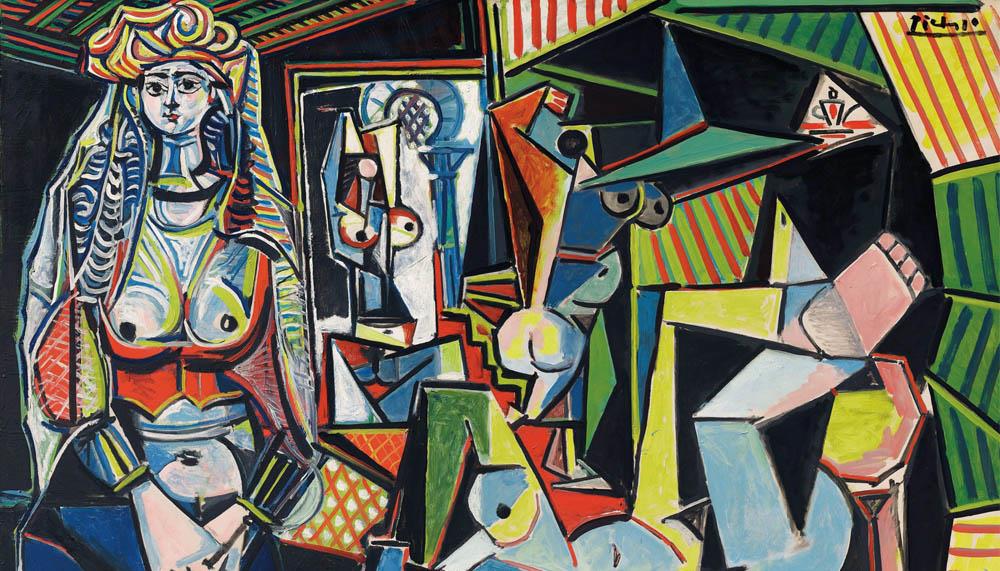
Throughout all these years, **Pablo Picasso used painting as a way to express the evils of his time, a motivation that finds its maximum exponent in one of the most famous paintings of all time: the *Guernica* (1937)**, an impressive large-format canvas in which, with painful tension, he embalms the tragic bombing perpetrated by the German and Italian air forces against the Second Republic in the town of Guernica during the Spanish Civil War.
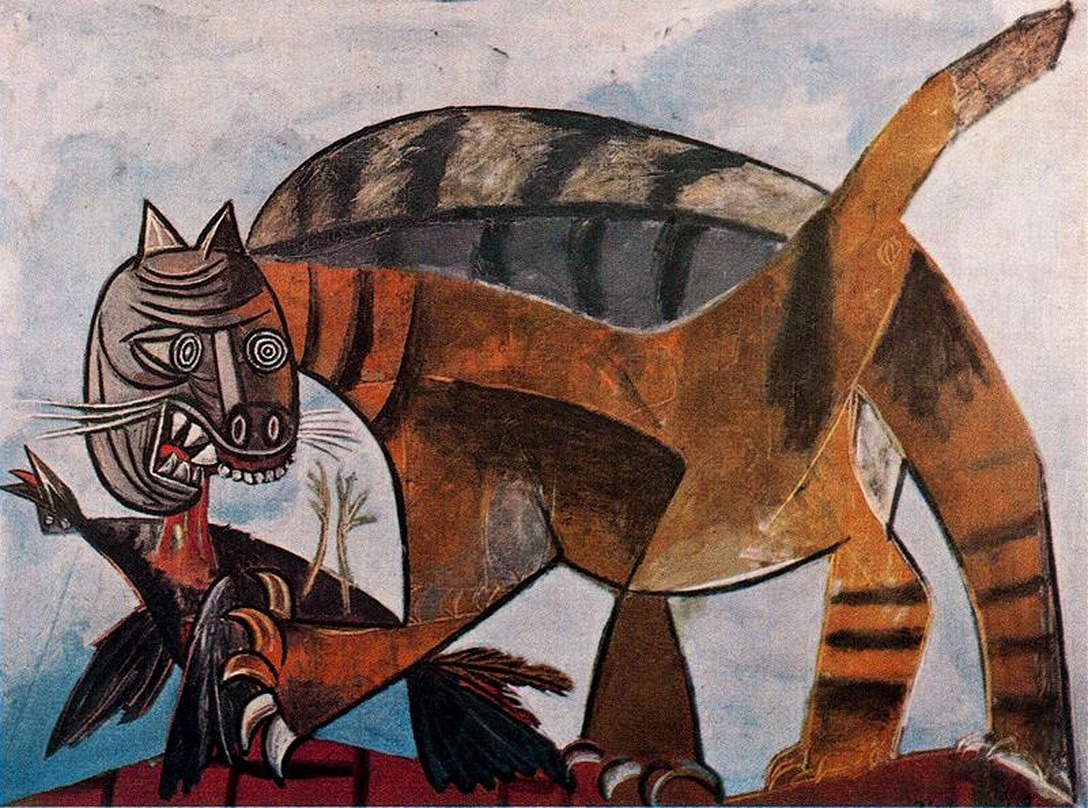
**A large part of Picasso's work is marked by the influence of the wars**. In one way or another, **his paintings began to focus on destruction and suffering**, as we can see in *Gato devorando un pájaro* (Cat Devouring a Bird) (1939) or in any piece from the series of fragments and sketches of *El Guernica* (1937).
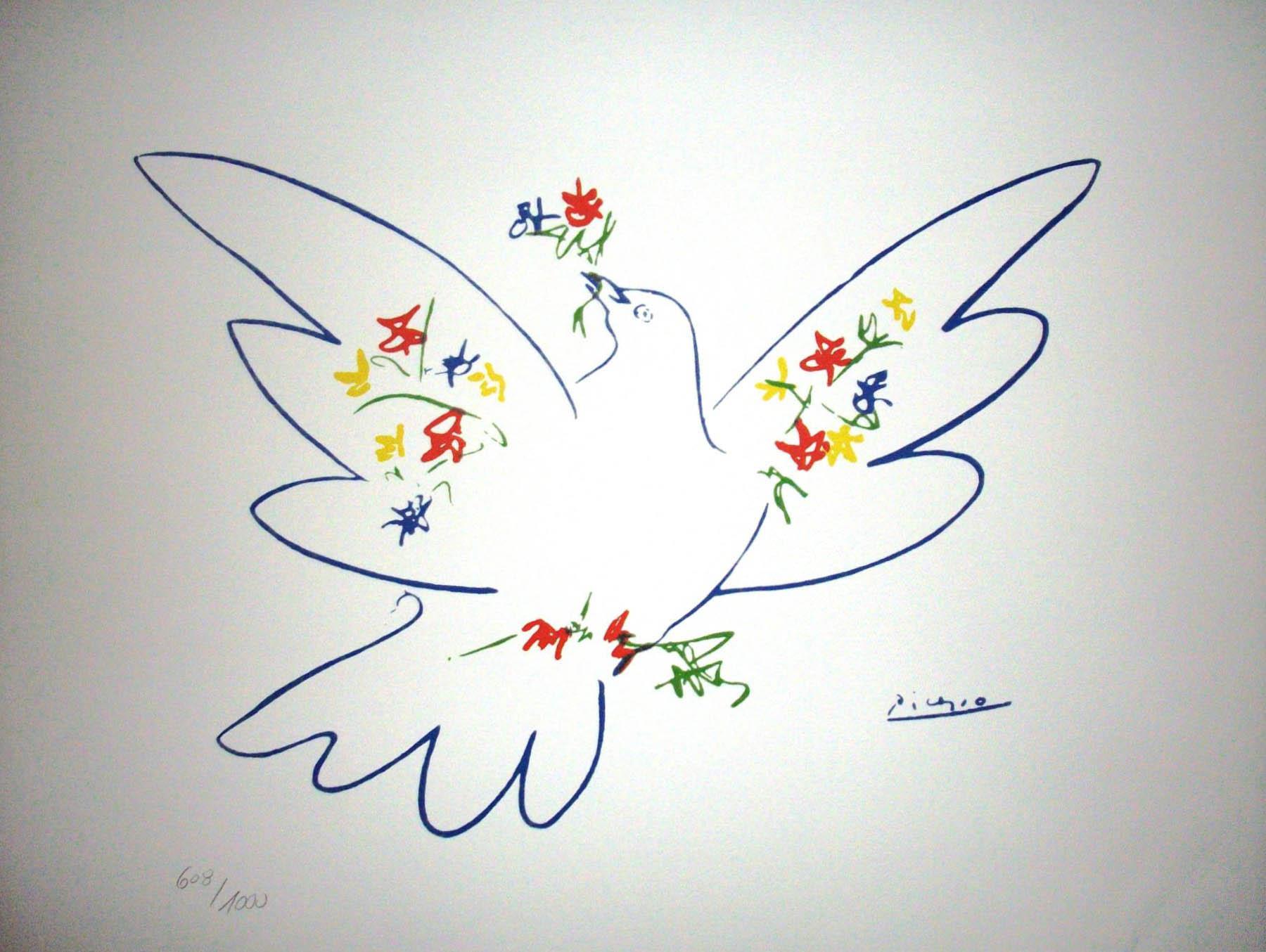
**After World War II, his paintings regained optimism, giving rise to such emblematic drawings as La Paloma** (The Dove) **or Paloma de la Paz con flores** (Dove of Peace with Flowers), with which he became involved in the pacifist cause.
During his last years, Pablo Picasso carried out a revision of the classics, reinterpreting works by masters such as Velázquez, among which we highlight the multiple versions that Picasso made of the famous painting *Las Meninas* (1656), such as Las meninas de Picasso (Picasso's Las Meninas) or Las Meninas *y la vida* (Las Meninas and Life).
Although Picasso's path through the years and the artistic movements of his time led to an eclectic style, if we heed the painter's own words, we cannot conceive of his stage of maturity as a synthesis of his entire previous career, since he never had a horizon to aspire to. Pablo Picasso enjoyed the greatest freedom of all: the freedom to create by letting himself go.
Eva VilarC.








,_oil_on_canvas,_60_x_73_cm,_Mus%C3%A9e_Picasso,_Paris.jpg)
,_oil_on_canvas,_92.1_x_73_cm,_Tate_Modern,_London.jpg=)
,_C%C3%A9ret,_oil_on_linen,_131.2_%C3%97_89.5_cm,_The_Solomon_R._Guggenheim_Foundation,_Peggy_Guggenheim_Collection,_Venice.jpg)
,_oil_on_canvas,_exhibited_at_Centre_for_Modern_and_Contemporary_Art,_Veletrzni_(Trades_Fair)_Palace,_Prague.jpg)

,_oil_on_canvas,_107.5_x_65.5_cm,_Museo_del_Novecento,_Milan.jpg)



Mer parese mu importante este pintor porkue me encanta lo de las formas i eso jajas salu2
THIS IS SUPER GOOD THANKS FOR CONTENT OF PICASSO BYE BYE IM WATCH ANIME
Muchas gracias, me sirvió mucho y está muy completo aunque creo que falta la época Vallauris.
Me pareció muy completo y me sirvió mucho, pero creo que le falta la época Vallauris. Muchas gracias por la información
le falta la epoca surrealista
Cuando el estancamiento llega se necesita un impulso renovador, eso significó Picasso para el arte, una personalidad que nos mostró un nuevo camino para explorar, uno donde lo convencional se vuelve aburrido y lo "raro" atractivo.
Esta muy bien sintetizado.
La "Época Rosa" de Pablo Picasso fue un periodo artístico que abarcó desde 1904 hasta 1906. Durante este tiempo, Picasso utilizó principalmente tonos rosados y rojos en su obra, lo que le permitió explorar temas como la armonía, la ternura y la felicidad. En esta etapa, Picasso se centró en la figura humana, especialmente en los niños y en el circo. Sus obras se caracterizan por líneas suaves y formas redondeadas, lo que les da un aspecto suave y delicado. Las obras más destacadas de la "Época Rosa" de Picasso incluyen "El niño con la pala" y "Familia de saltimbanquis". Este periodo es considerado como una transición entre su etapa azul y su posterior etapa cubista.
Me ha ayudado bastante, muchísimas gracias.
Falta la auténtica primera etapa de Picasso, en la ciudad gallega de A Coruña. Sus primeros estudios de pintura, su primera exposición, su primera crítica en un periódico. Todo esto ocurrió en A Coruña, no en Catalunya como se dice aquí. No se puede obviar esta ciudad en la formación de la pintura y el carácter de Picasso