
Screen printing: technique, history and relevance in the art market
Arte contemporáneo serigrafía Obra gráficaIntroduction
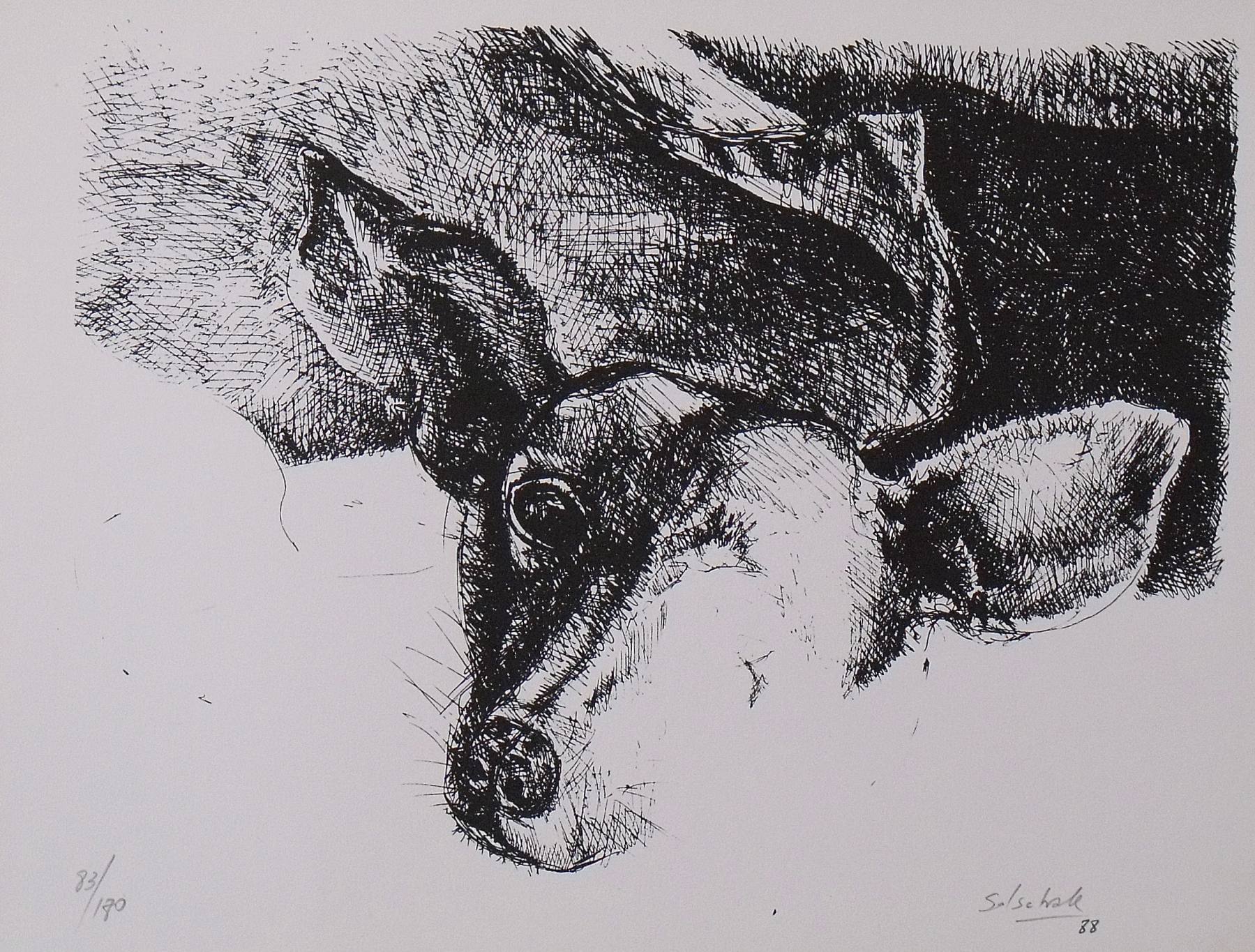
Hugo Solschak. "The Dog". Screen Print. Hand-signed and numbered 83/180 (1988)
Screen printing is a printing technique that has captured the imagination and creativity of artists all over the world. With its roots deeply anchored in history, this technique remains an important pillar in the contemporary art market. In this article, we will explore what screen printing is, its historical evolution, the reasons why artists choose it, its advantages, and its relevance in the art market, thus providing a comprehensive overview for art buyers and collectors.
What is Screen Printing?
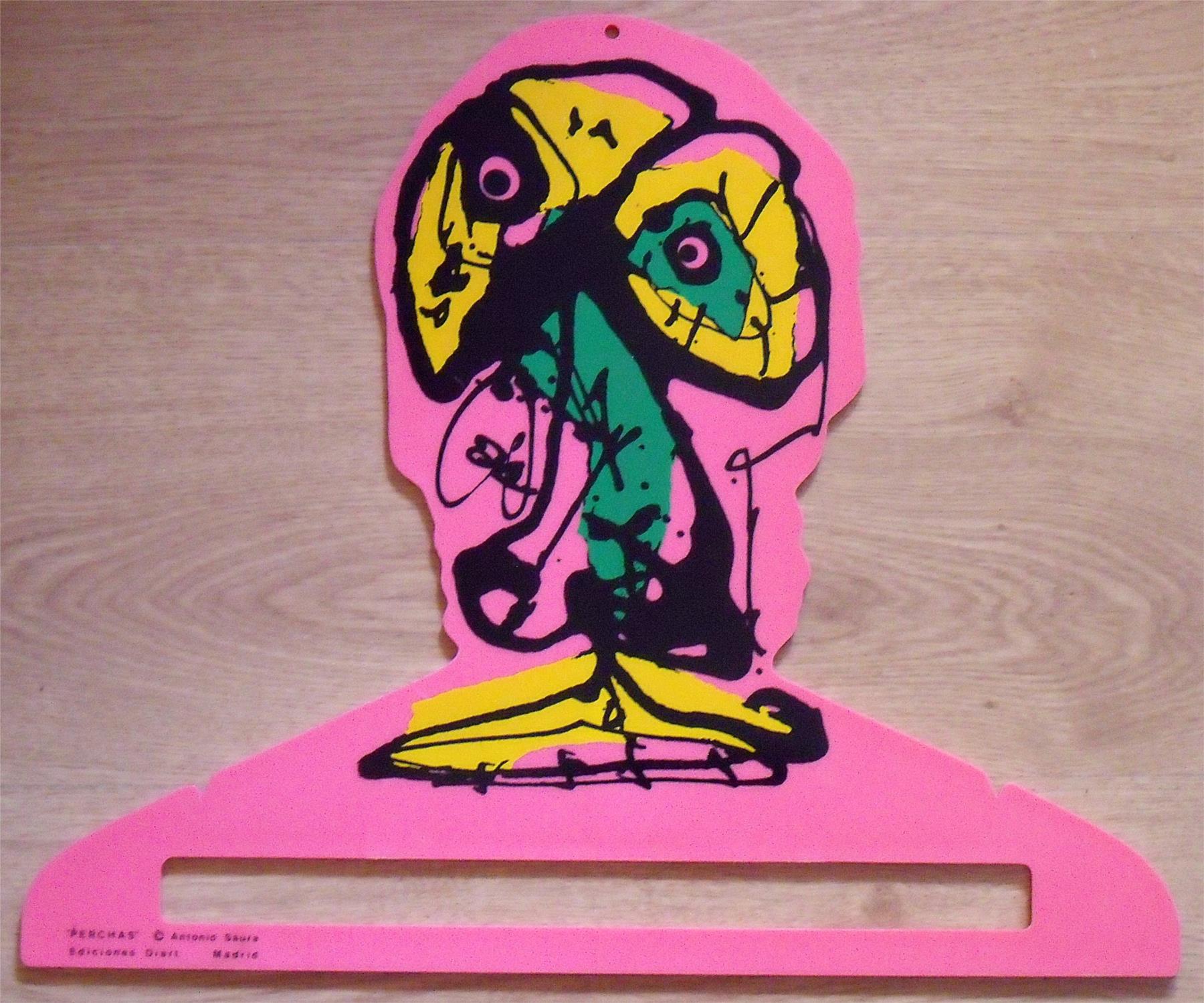
Antonio Saura. "Hangers". Screen Print. Signed in the plate (1982)
Screen printing is a printing technique that uses a mesh to transfer ink onto a surface, except in areas made impermeable to the ink, by means of a stencil. It is a versatile process that allows printing on a variety of materials, including paper, fabric, glass, metal, and wood. This method stands out for its ability to produce vibrant and long-lasting colors, as well as its capacity to reproduce detailed and high-quality images.
History of Screen Printing
Ancient Origins
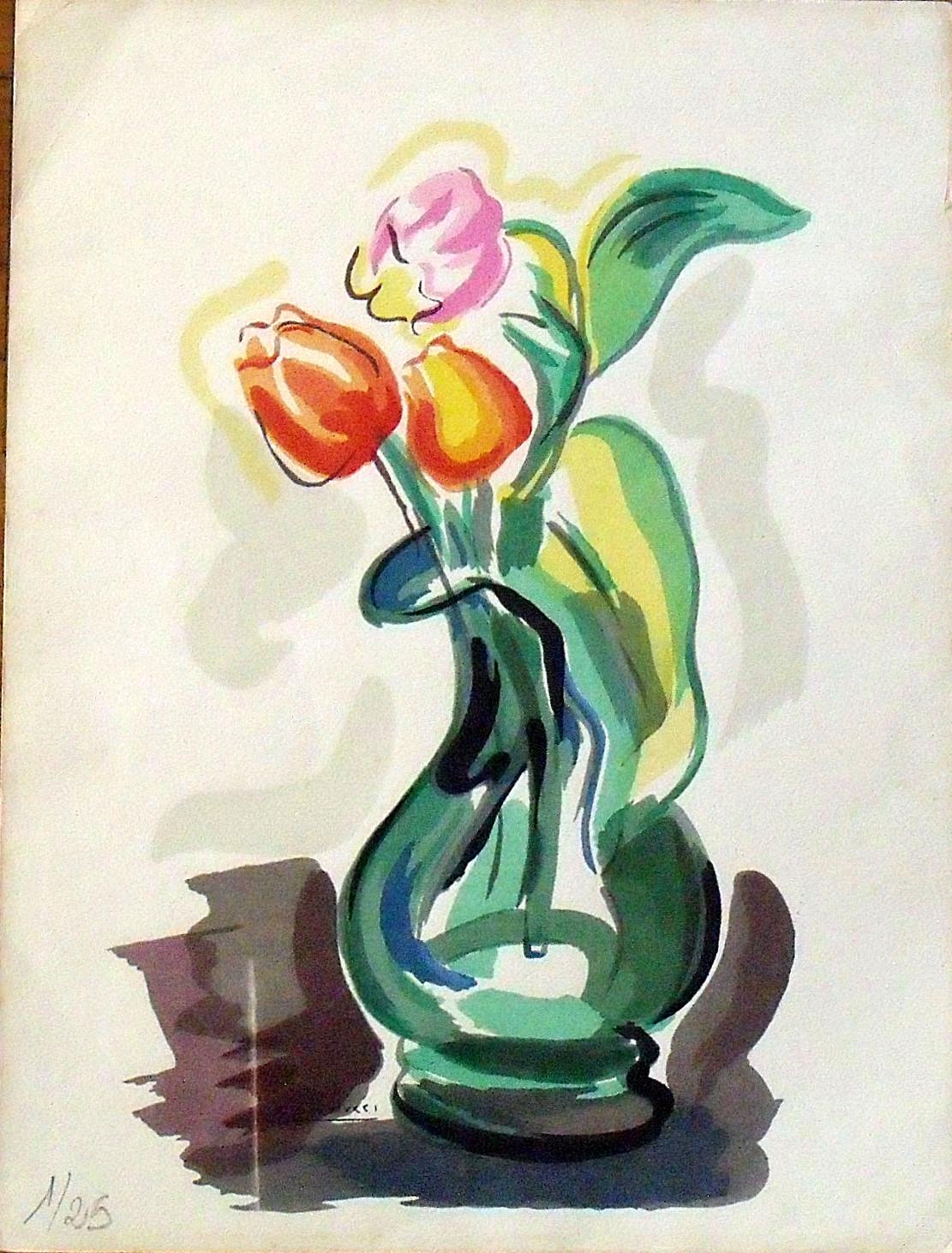
Gio Colucci. "Vase with Flowers". Screen Print. Signed in the plate and hand-numbered 1/25
Screen printing has its origins in ancient stencilling techniques that date back to the Song Dynasty in China (960-1279 A.D.). The Chinese were the first to use a stretched silk mesh to print designs onto fabrics. This technique spread to Japan and other Asian countries, where it was perfected and widely used for printing on textiles.
Introduction to the West

Death NYC. Screen Print. Hand-signed and dated in pencil by the artist. A/P proof (2020)
Screen printing arrived in Europe in the 18th century, but it was not until the early 20th century that it became popular, especially in the United States. In the 1930s, the use of screen printing expanded thanks to the work of graphic and commercial artists who saw in this technique a powerful tool for mass production and advertising.
Rise in Contemporary Art
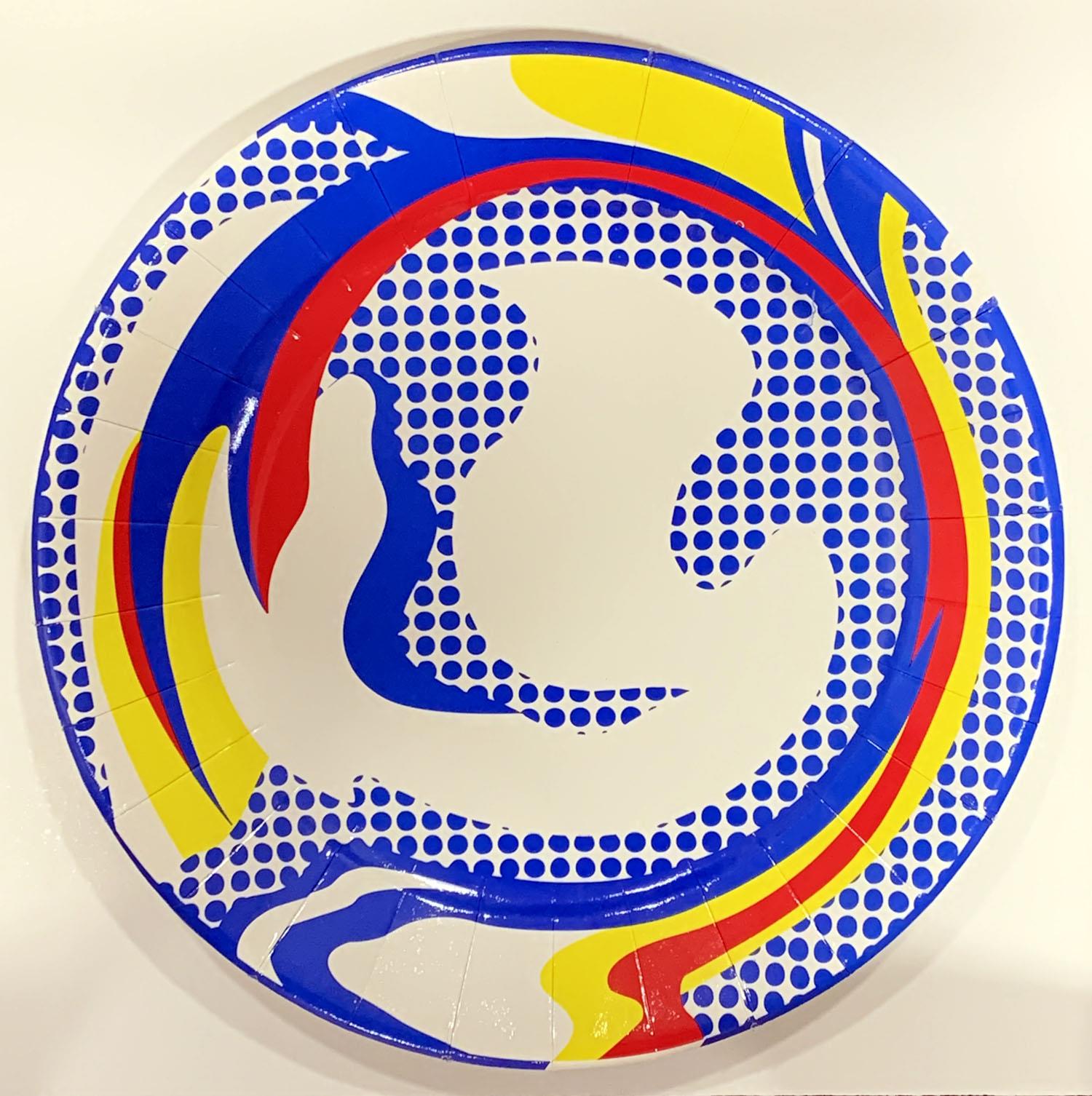
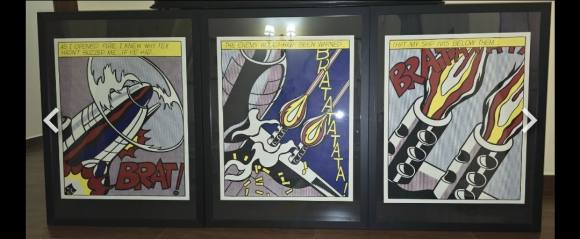
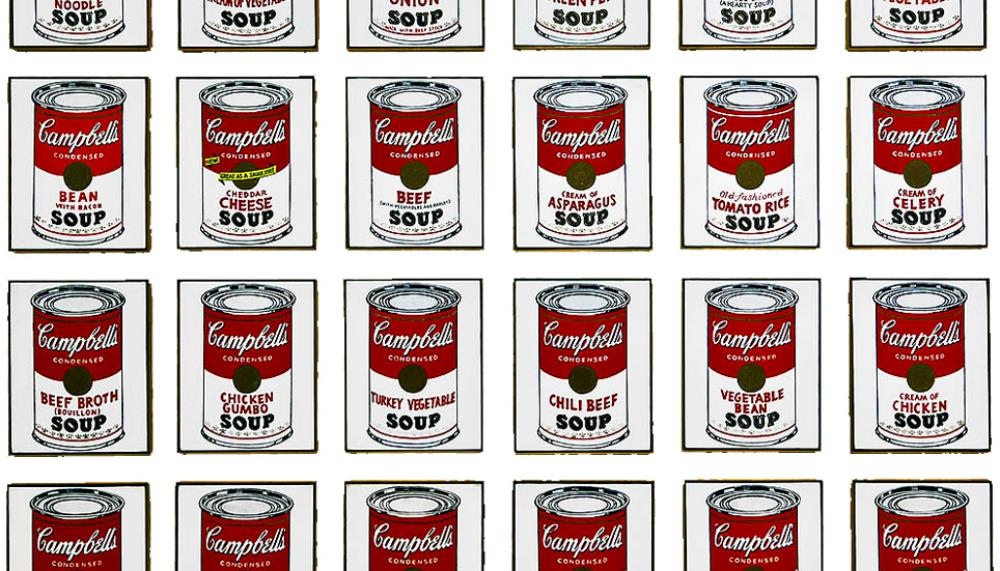
The true boom of screen printing in the art world came in the 60s, hand in hand with the Pop Art movement. Artists like Andy Warhol and Roy Lichtenstein adopted screen printing to create their iconic works, using this technique to replicate images from popular and consumer culture. Warhol, in particular, used screen printing to challenge traditional notions of art, producing multiple copies of his works and democratizing access to art.
Why Do Artists Use Screen Printing?
Versatility and Flexibility
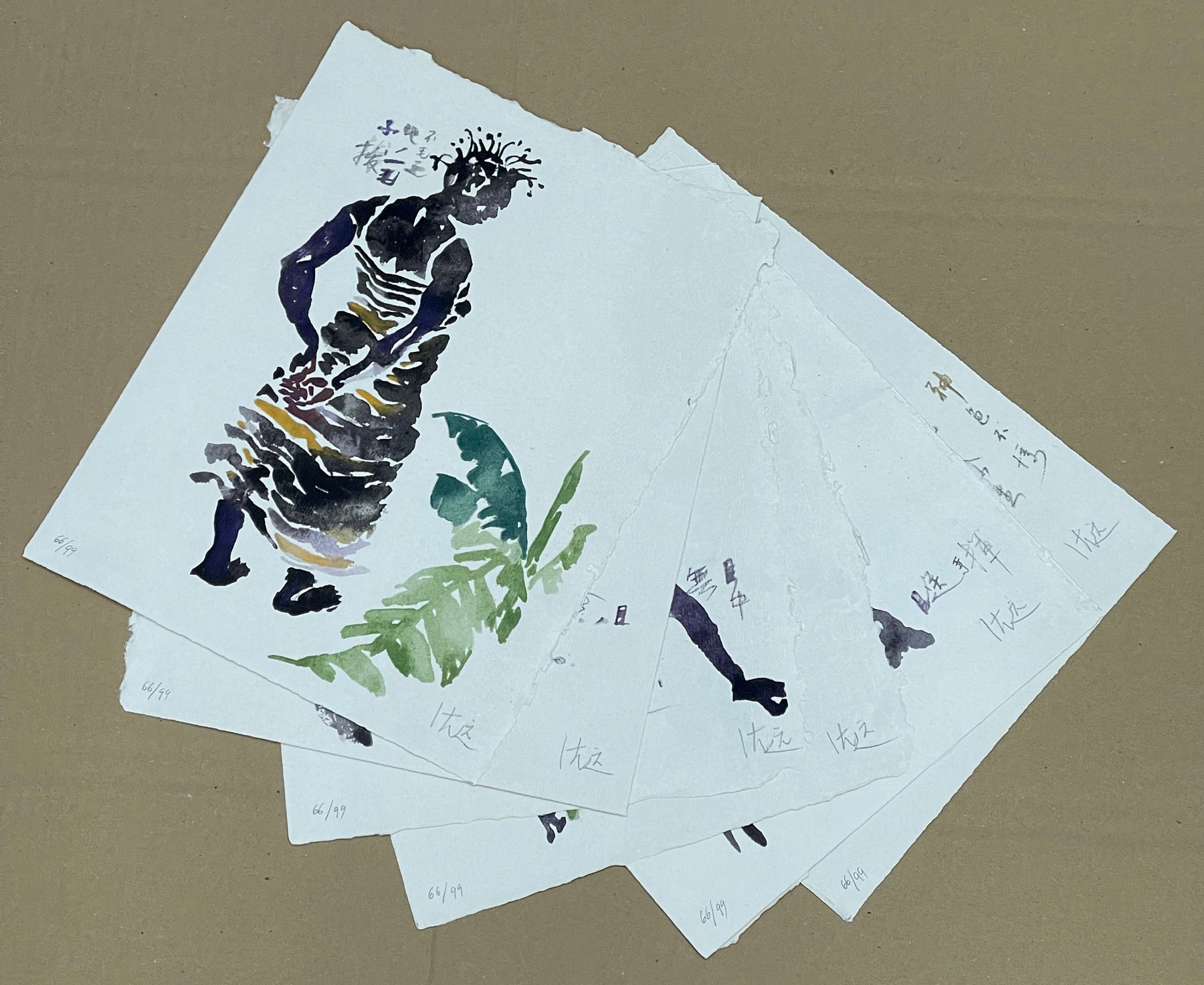
One of the main reasons artists choose screen printing is its versatility. The ability to print on a wide variety of surfaces opens up a range of creative possibilities. Artists can experiment with different materials and textures, allowing them to explore new dimensions in their work.
Production of Multiple Copies
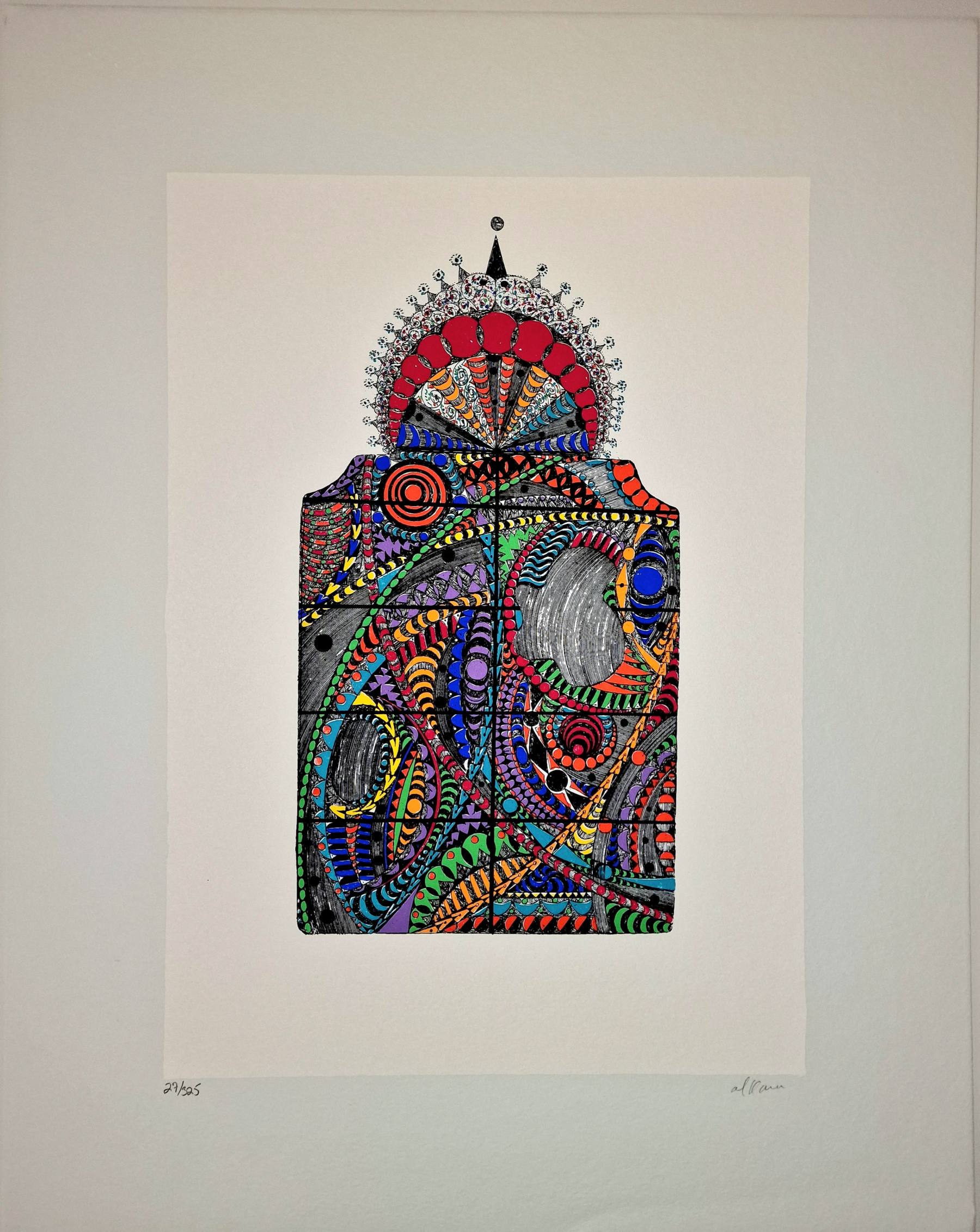
Screen printing allows for the production of multiple copies of the same work with consistent quality. This is particularly beneficial for artists who want to distribute their work to a wider audience without compromising quality. Furthermore, the possibility of creating limited editions makes the works both accessible and exclusive.
Vibrant and Durable Colors
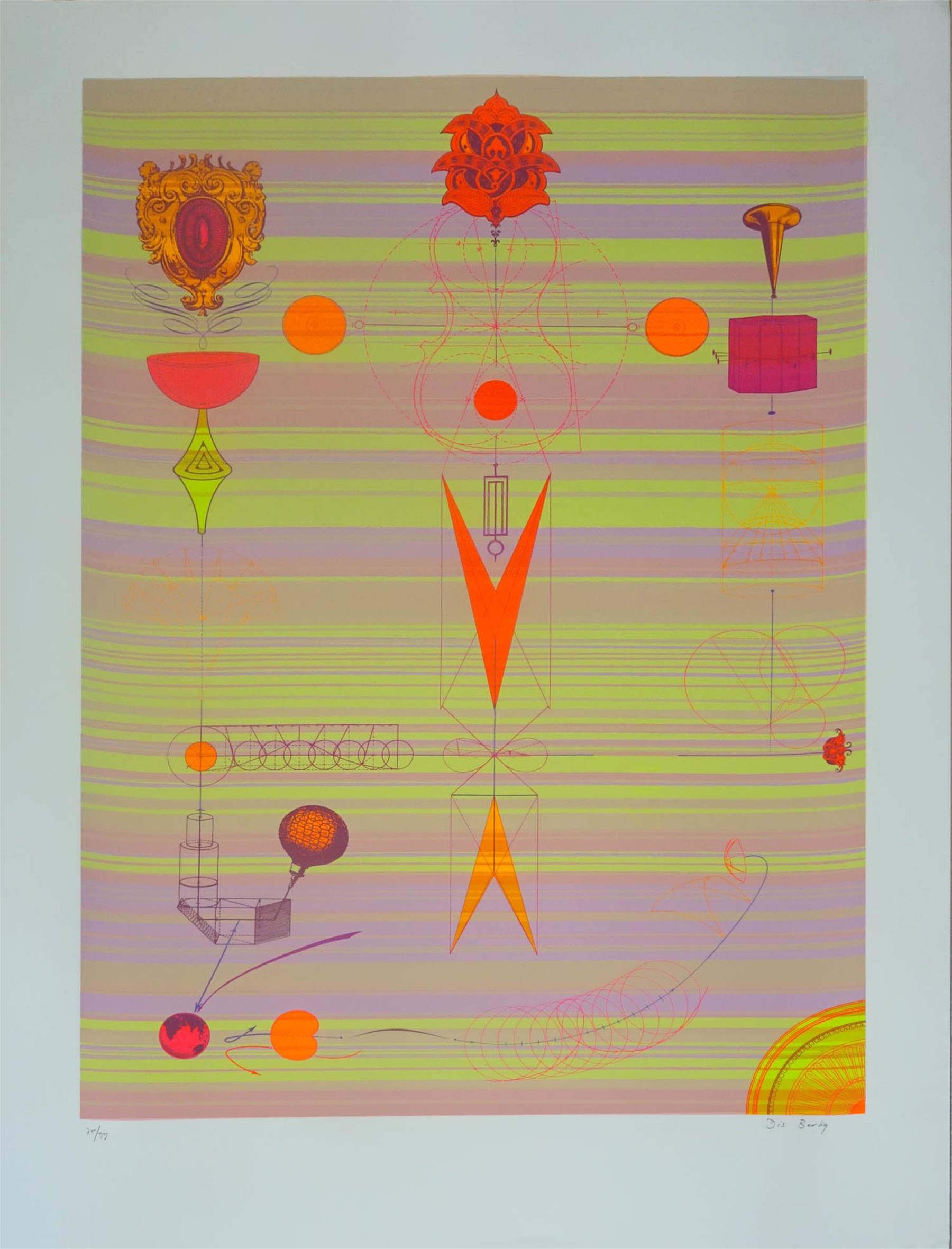
The screen printing technique uses special inks that produce intense and long-lasting colors. This is crucial for artists who want their works to maintain their appeal over time. The solid and uniform colors that can be achieved with screen printing are difficult to match with other printing techniques.
Advantages of Screen Printing in the Art Market
Accessibility and Exclusivity
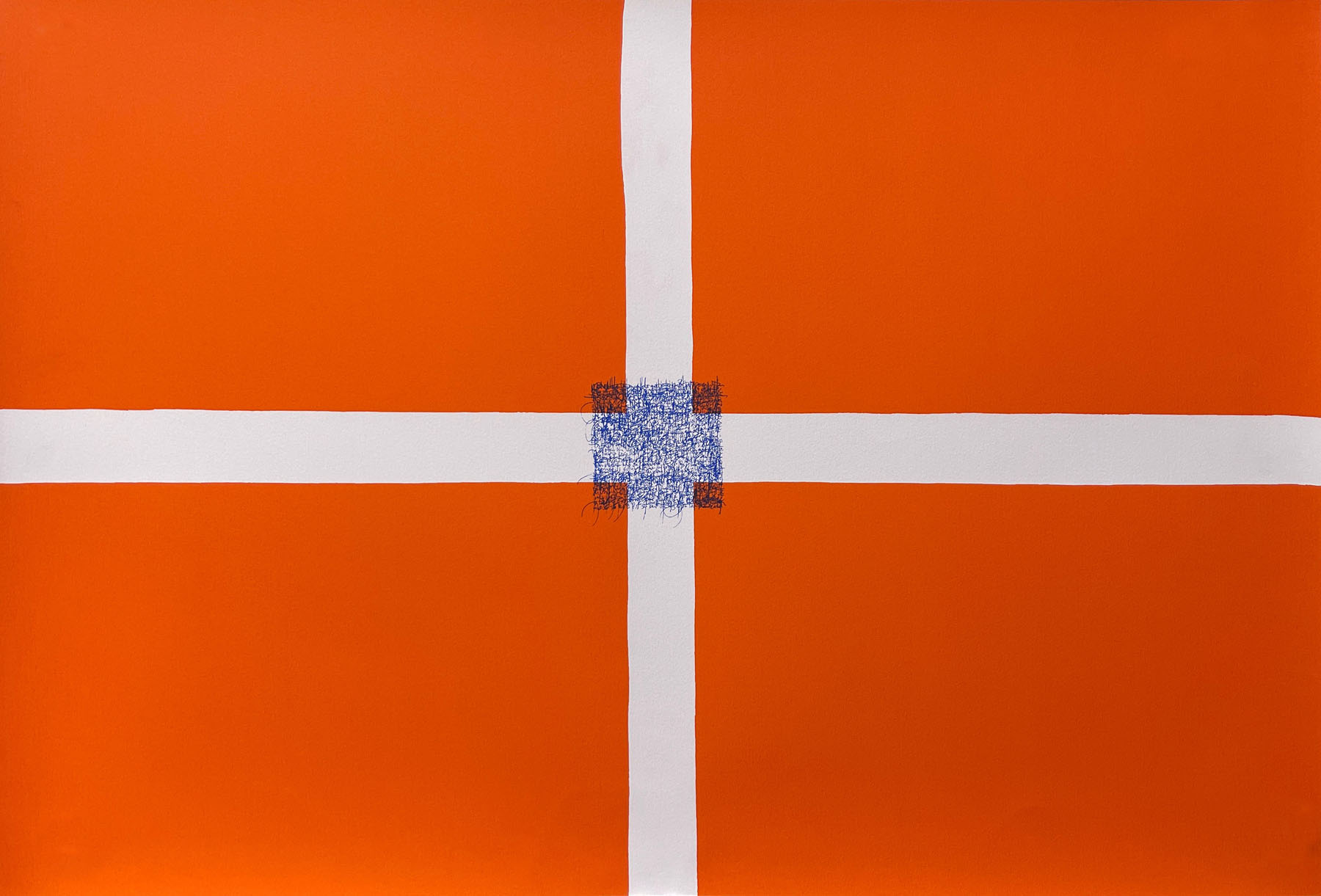
Jorge Martínez Caamaño. "Untitled I". Screen Print on paper. Signed and numbered 7/99 (2006)
Screen printing allows artists to create limited editions of their works, making them more accessible to buyers and collectors. At the same time, the limited nature of these editions adds a level of exclusivity, making each piece valuable and desirable.
Quality and Consistency
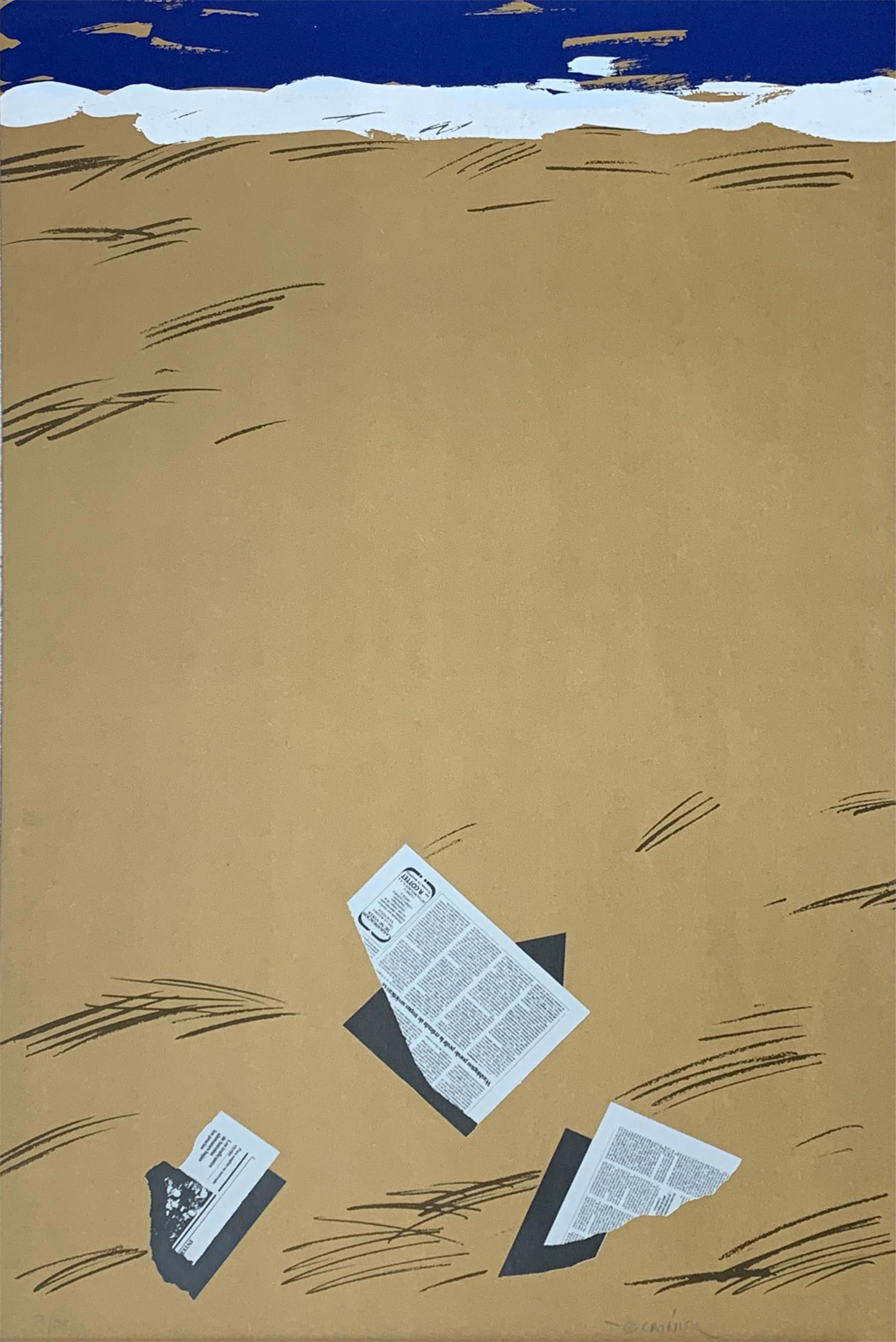
Equipo Crónica. "Urban Landscape". Screen Print. Signed in pencil. Numbered 75/75 (1980)
Screen printing offers a quality and consistency in each impression that is difficult to achieve with other techniques. Collectors can be sure that every copy in an edition will be identical to the original, which increases confidence in the investment.
Increase in Value Over Time
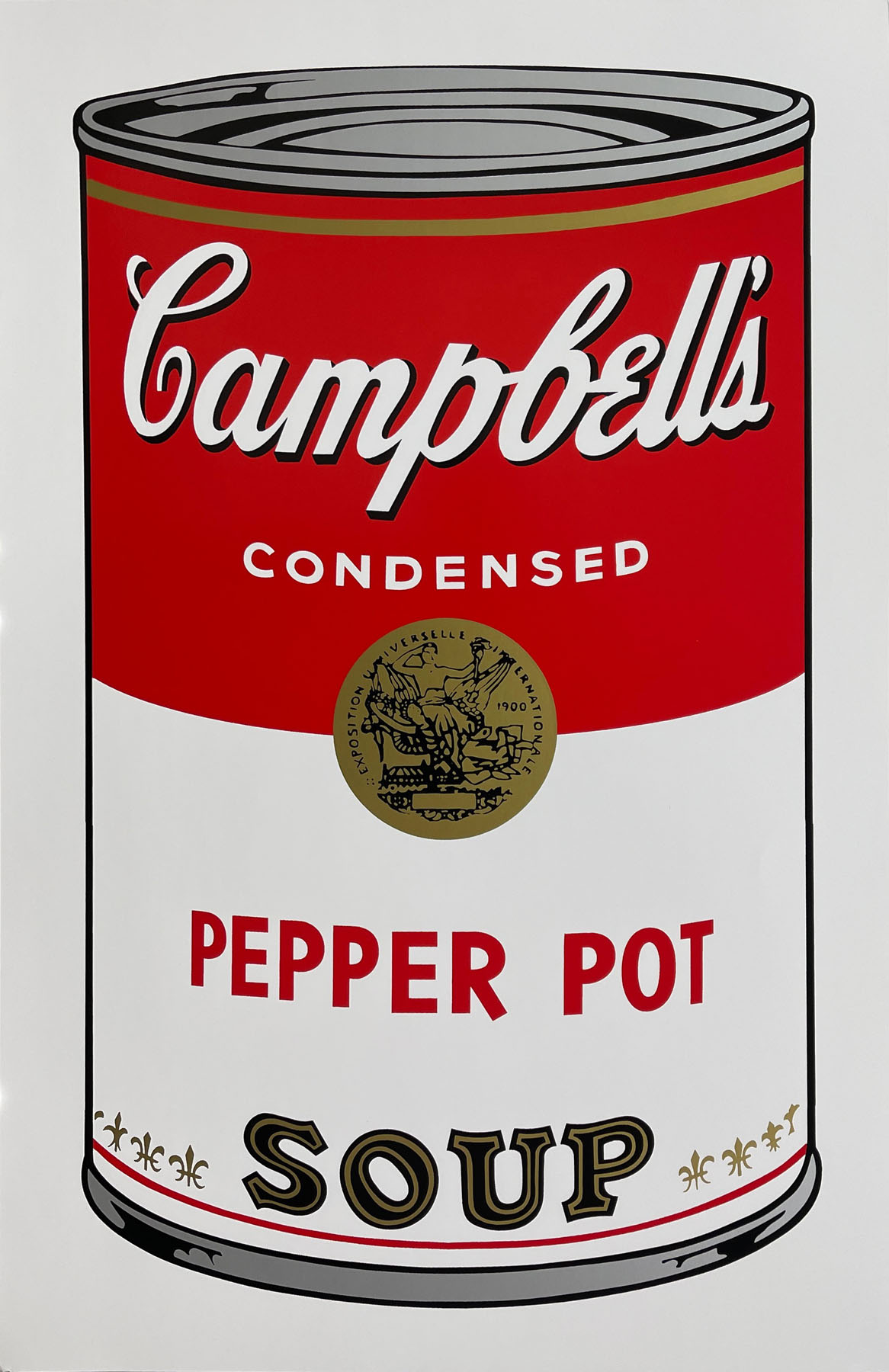
Andy Warhol. "Campbell's Pepper Pot Soup". Screen Print in open edition
Screen-printed works, especially those by renowned artists, tend to increase in value over time. History has shown that limited editions of screen prints by artists like Warhol and Lichtenstein have significantly increased their value in the art market, providing collectors with a solid investment.
Innovation and Creativity

Jorge de Juan Martínez. "Halo". Screen Print. Signed in pencil and numbered 5/75 (2006)
Screen printing remains a constantly evolving technique. Technological advancements and innovations in materials and inks allow contemporary artists to experiment and expand the boundaries of what can be achieved with this technique. This ensures that screen printing remains relevant and exciting in the current art world.
Considerations for Buyers and Collectors
Authenticity and Limited Editions
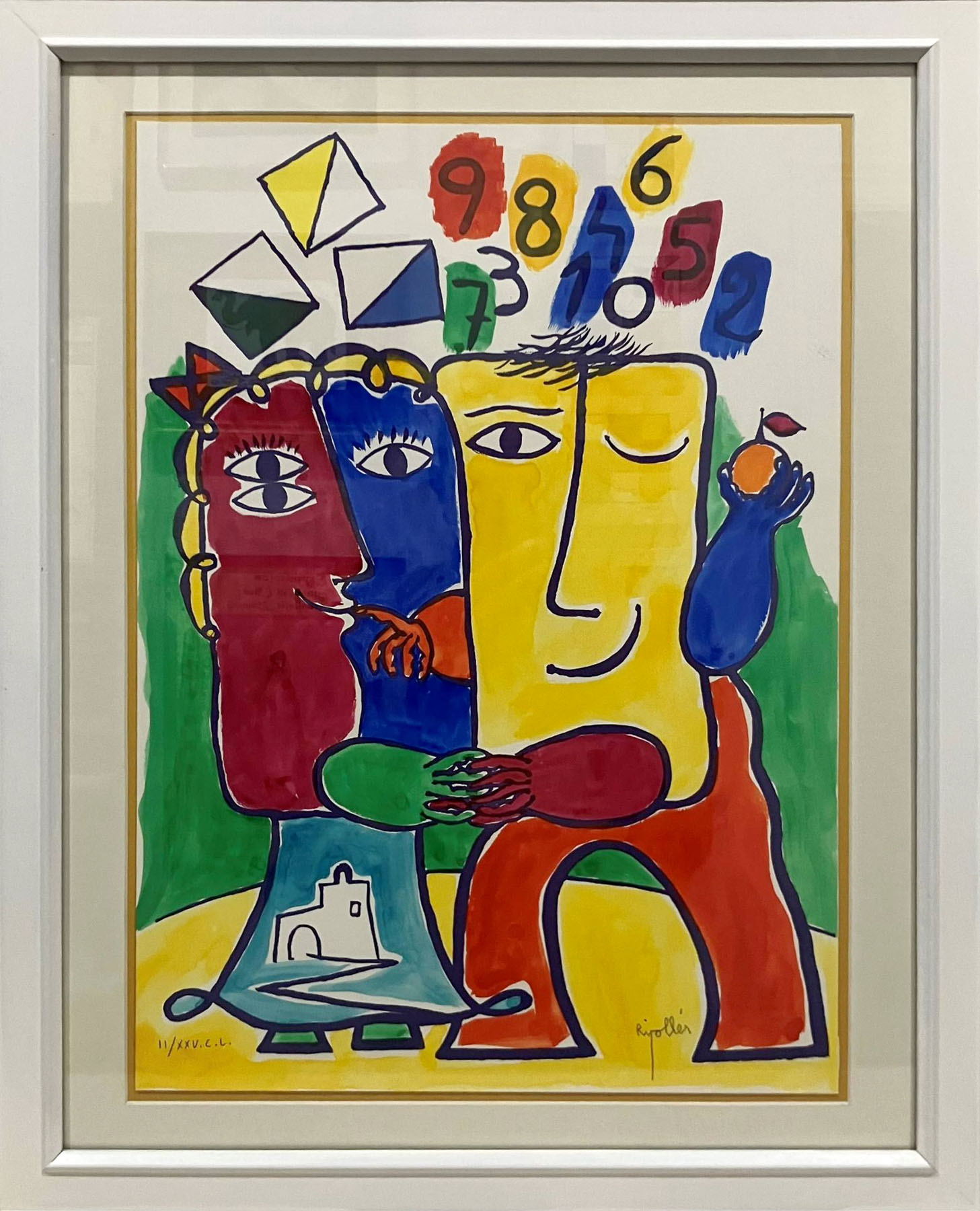
When acquiring a screen print, it is important to verify the authenticity of the work. Limited editions are usually numbered and signed by the artist, which guarantees their authenticity and exclusivity. Certificates of authenticity and provenance are crucial aspects to consider to ensure a genuine investment.
Condition of Conservation
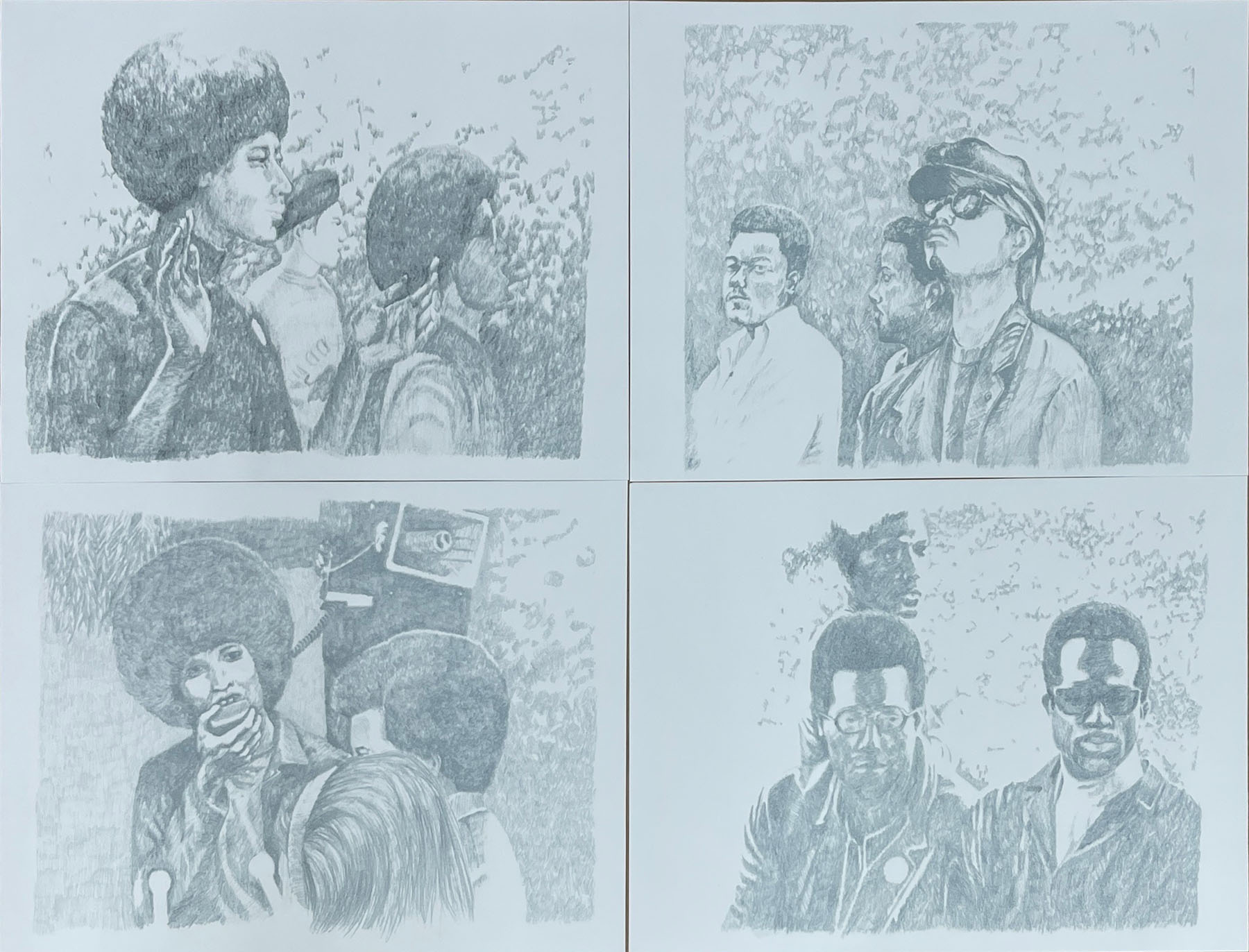
Given that the inks used in screen printing are durable, the works usually maintain their quality over time. However, it is essential to evaluate the condition of conservation of the piece before making a purchase. Storage and display conditions can affect the longevity of the work.
Artist's Interest and Trajectory
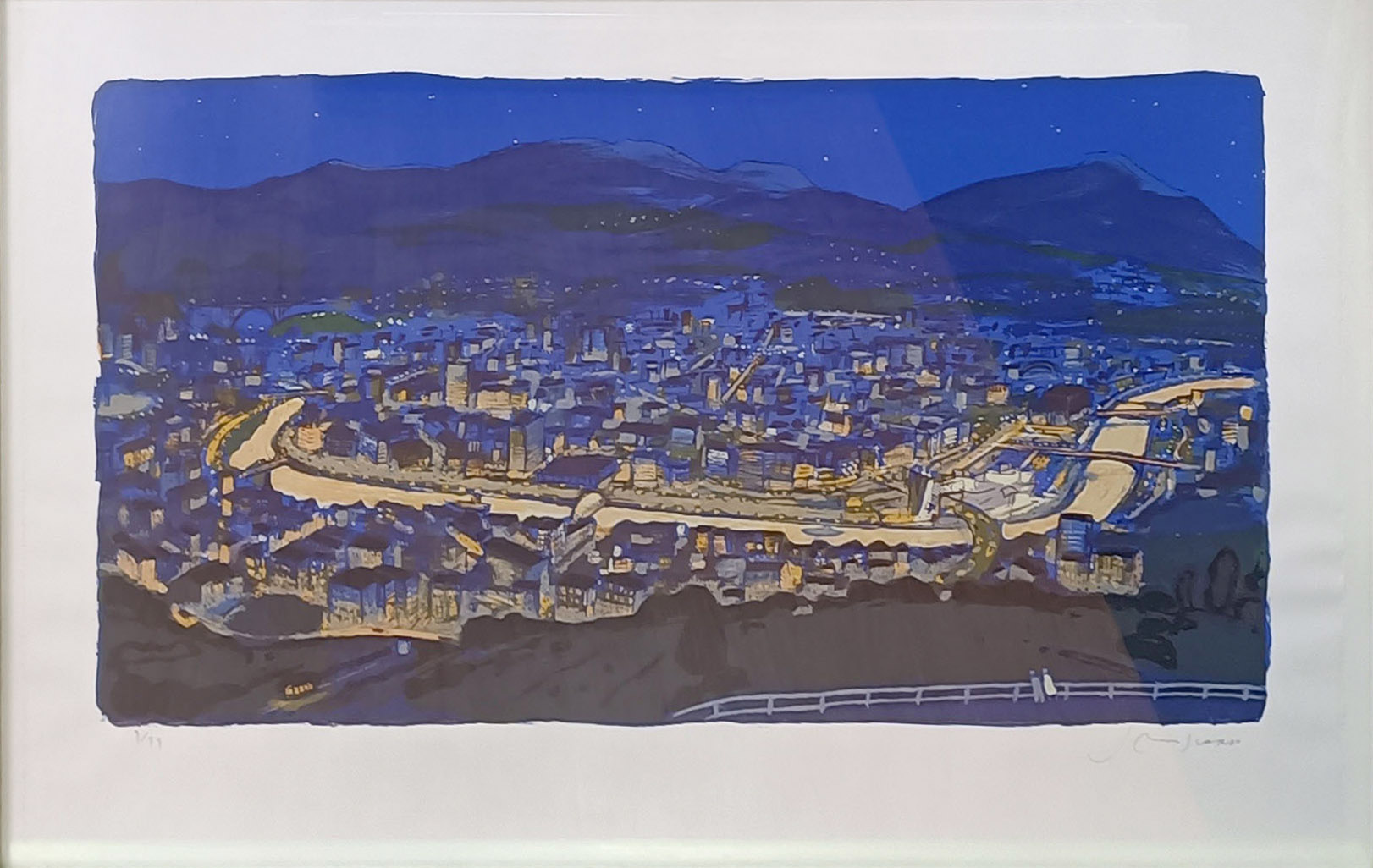
Researching the artist and their trajectory can provide valuable insight into the potential for the work to increase in value. Artists with a solid track record and recognition in the art market tend to offer a safer investment.
In the Expert's Words

Death NYC. Screen Print. Hand-signed and dated in pencil by the artist. A/P proof (2020)
Screen printing is a fascinating and multifaceted printing technique that has left an indelible mark on the art world. Its ability to produce high-quality works, its versatility, and its appeal in the art market make it a popular choice for both artists and collectors. By understanding the history, advantages, and key considerations when acquiring a screen print at Subasta Real, buyers can make informed decisions and fully appreciate the value and beauty of these artworks.