Engraving or lithography? Learn to distinguish them.
grabado litografíaIn the fascinating world of art, we often come across terms that can seem confusing. Among them, "engraving" and "lithography" are two printing techniques that, although they may seem similar at first glance, have fundamental differences in their process and result. Today, on our blog, we are going to unravel these concepts so that you can appreciate the unique value of each work.
Engraving: the power of relief
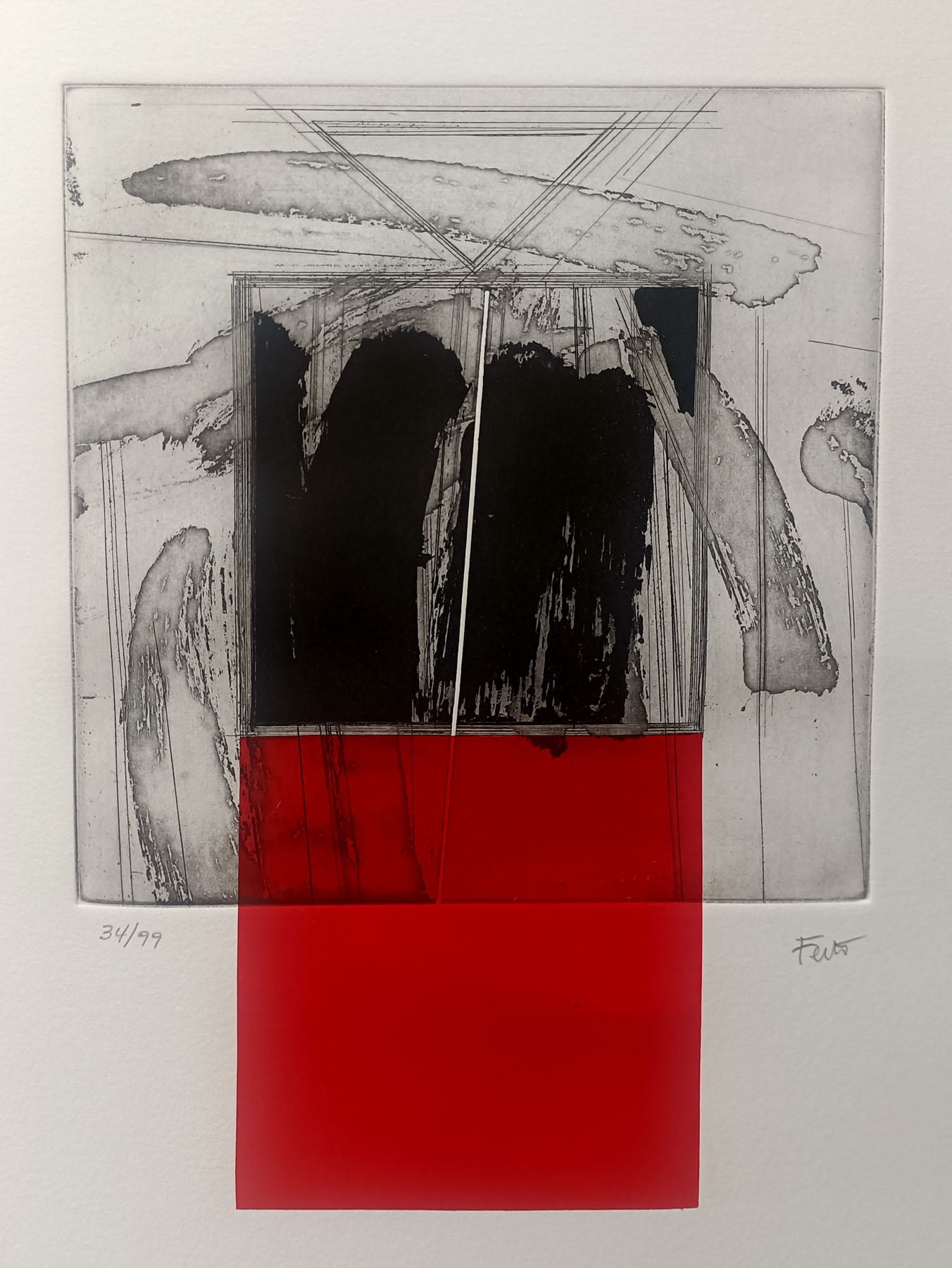
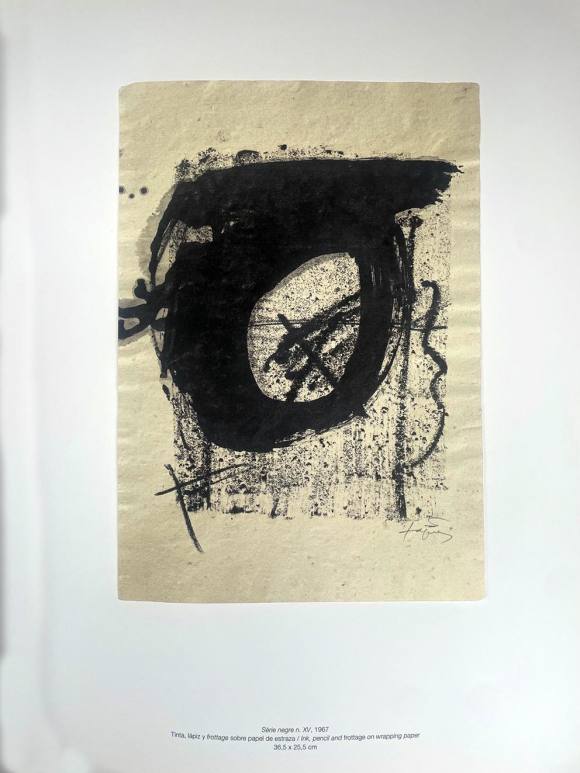
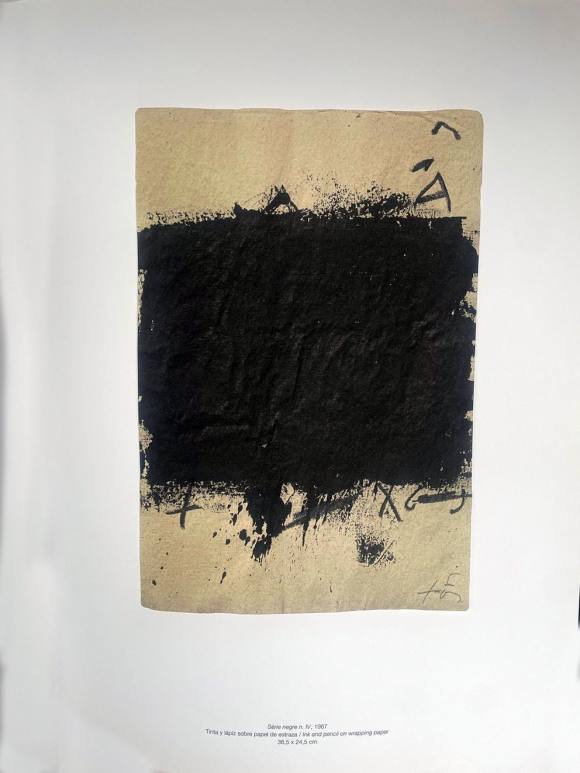
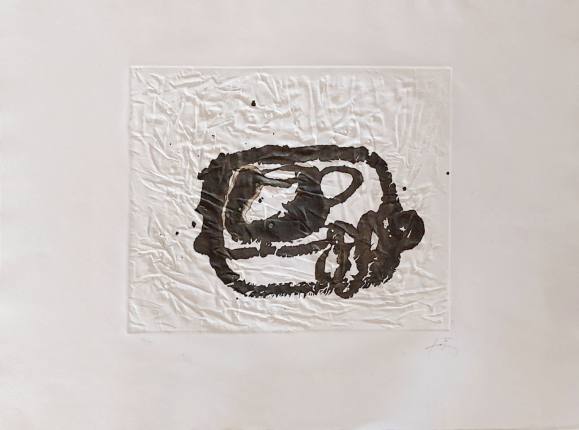
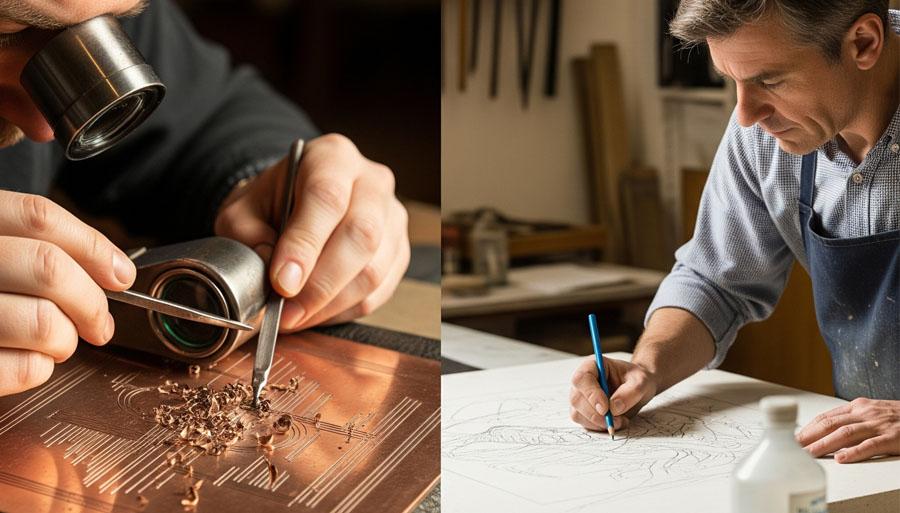
Engraving is a printing technique based on relief. The image is created by carving, incising, or eroding a hard surface, known as a matrix. The most common materials for this matrix are:
-
Metal (etching, drypoint): A metal plate (copper or zinc) is used. In etching, the plate is covered with a varnish and a sharp point is used to draw, exposing the metal. It is then submerged in an acid that "bites" the lines, creating grooves. In drypoint, the artist scrapes the surface directly, raising a "burr" that creates velvety lines.
-
Wood (woodcut): The oldest technique. The wood is carved to leave the parts to be inked in relief. The areas to be left white are hollowed out, while the areas to be printed remain on the surface.
-
Linoleum (linocut): Similar to woodcut, but with a softer and easier-to-carve material.
Once the matrix is ready, it is inked and pressed onto a paper. The ink is transferred only from the raised parts, leaving a tangible imprint that can often be felt to the touch.
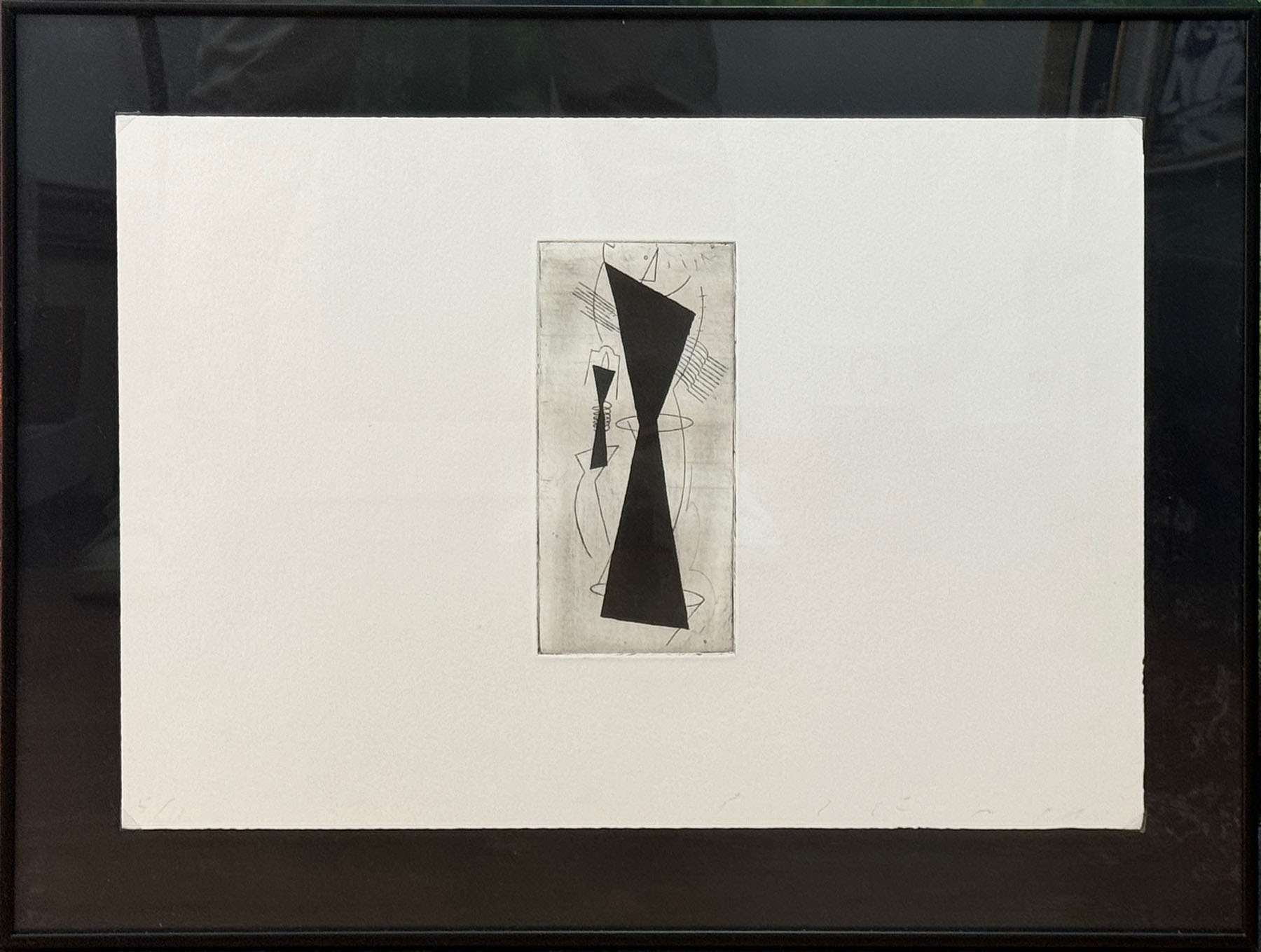
Lithography: the magic of the flat surface
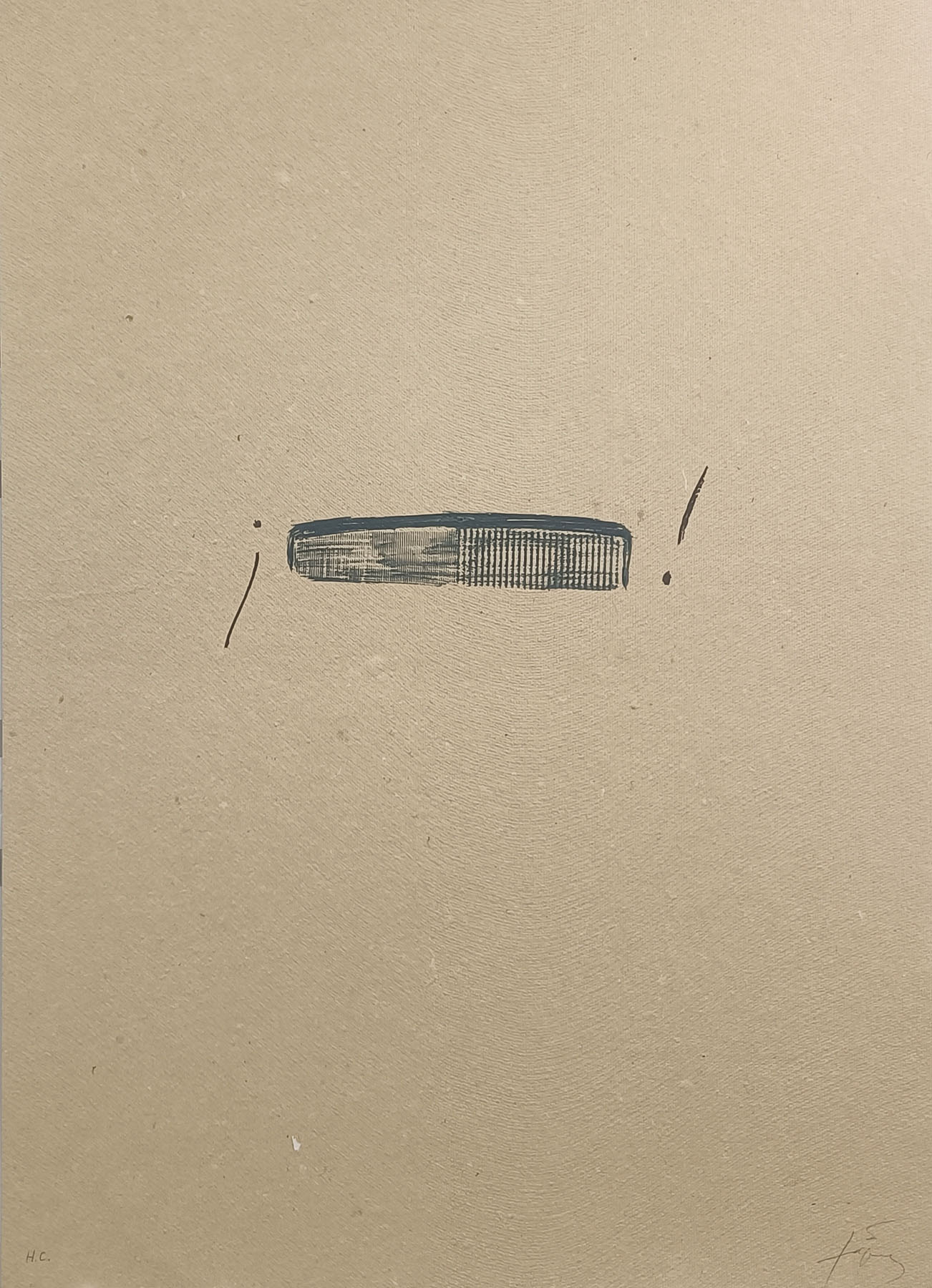
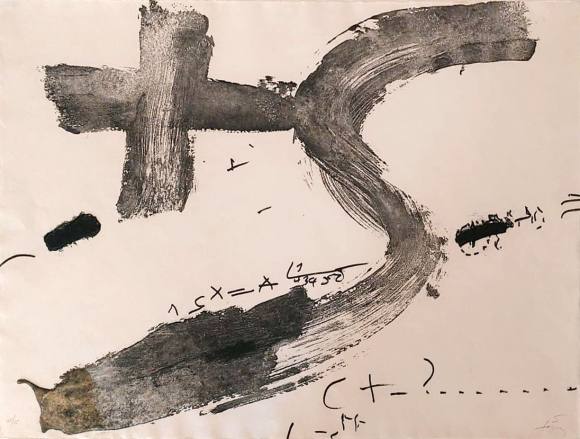
Unlike engraving, lithography is a flat printing technique. It is based on the principle that oil and water repel each other. The process, invented by Alois Senefelder in the late 18th century, is as follows:
-
The matrix: A special limestone (or a metal plate) is used. The surface is polished until it is completely smooth.
-
The drawing: The artist draws directly on the stone with a greasy pencil or ink.
-
Preparation: A solution of nitric acid and gum arabic is applied. This mixture reacts with the greasy drawing, fixing it, and makes the rest of the stone's surface receptive to water.
-
Printing: The stone is dampened. The areas with the greasy drawing repel water, while the areas without the drawing absorb it. Then, greasy ink is applied with a roller. The ink only adheres to the greasy areas of the drawing, while the wet areas repel it.
-
Pressing: Finally, a paper is pressed onto the stone to transfer the image.
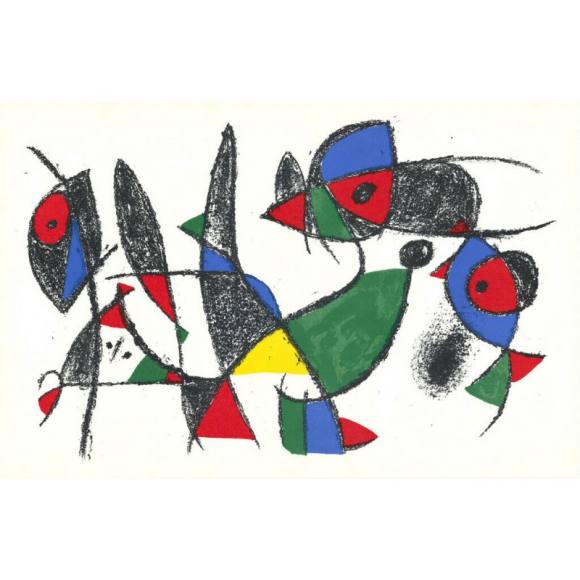
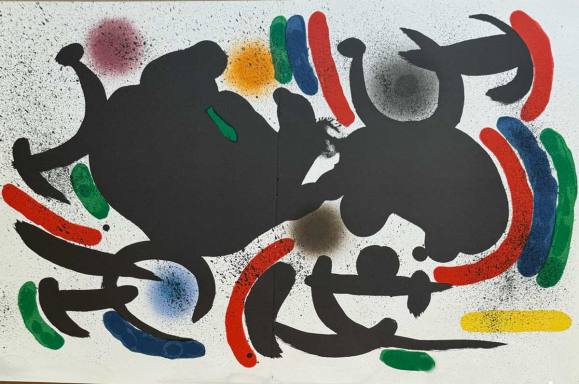
Lithography allows for great freedom of line and the creation of much more subtle tones and gradients than engraving, as the work is done directly on a flat surface.
The value of a signed, short-run work
Now that we know the difference, why do some printed artworks have such high value? Here, two crucial factors come into play:
-
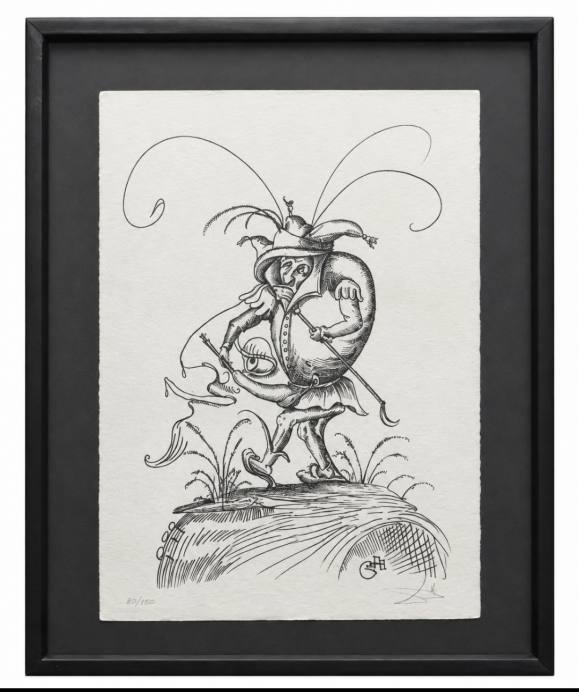
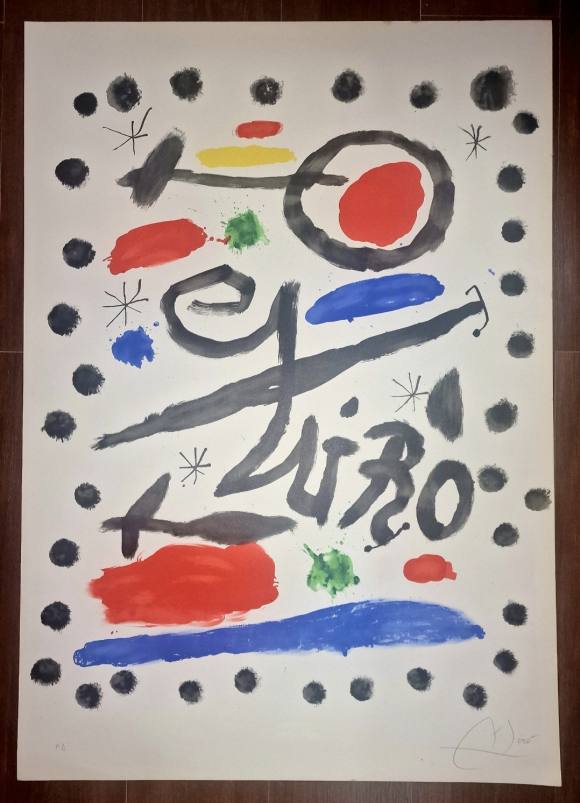
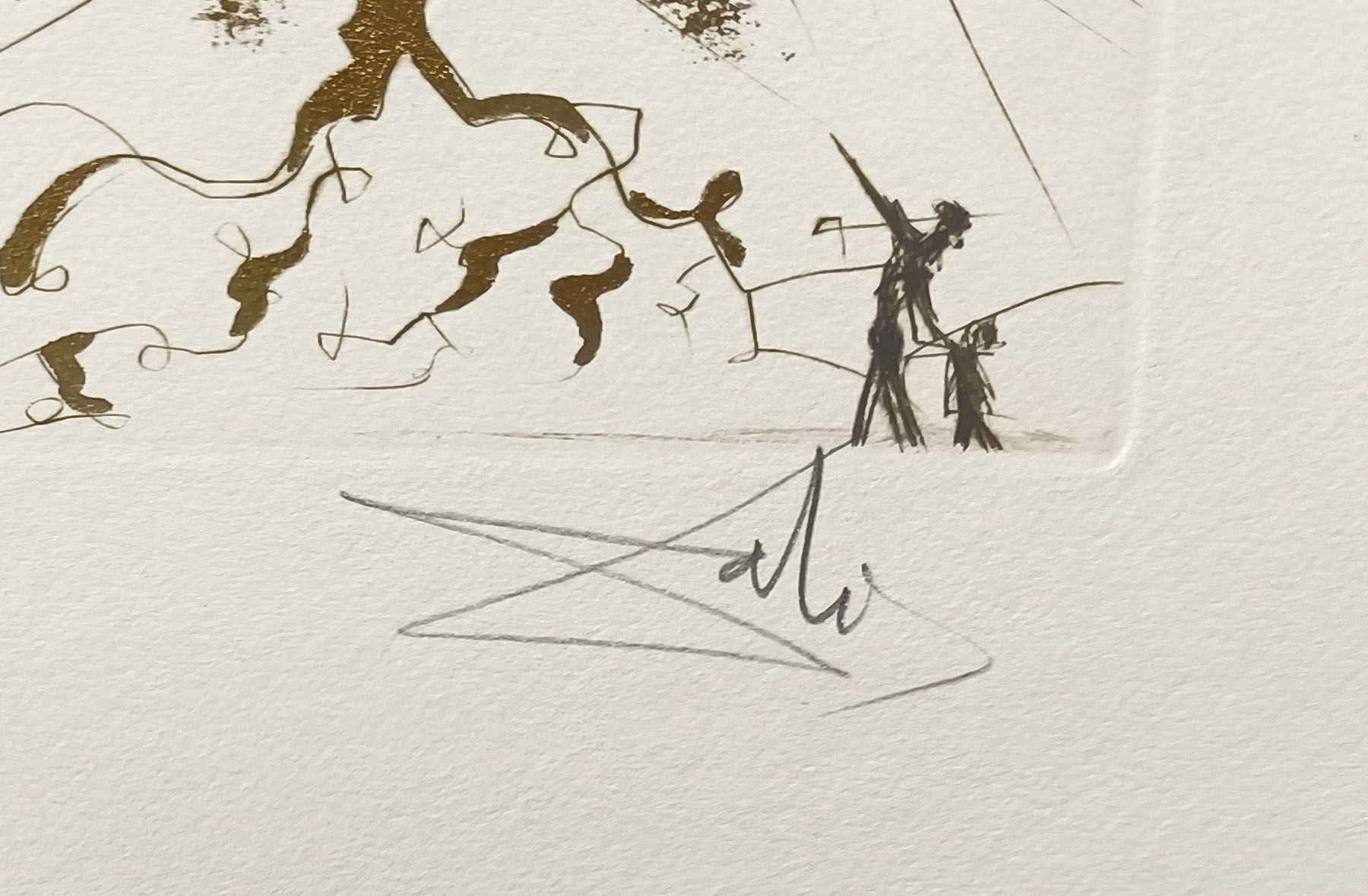
The artist's signature: When an artist hand-signs an engraving or a lithograph, they are certifying that each piece is an original work of art and not a simple reproduction. The signature is a personal stamp that attests that the work has passed through their hands and has been supervised and approved by them. This signature turns the print into a unique piece, directly connected to the creator, which exponentially increases its value.
-
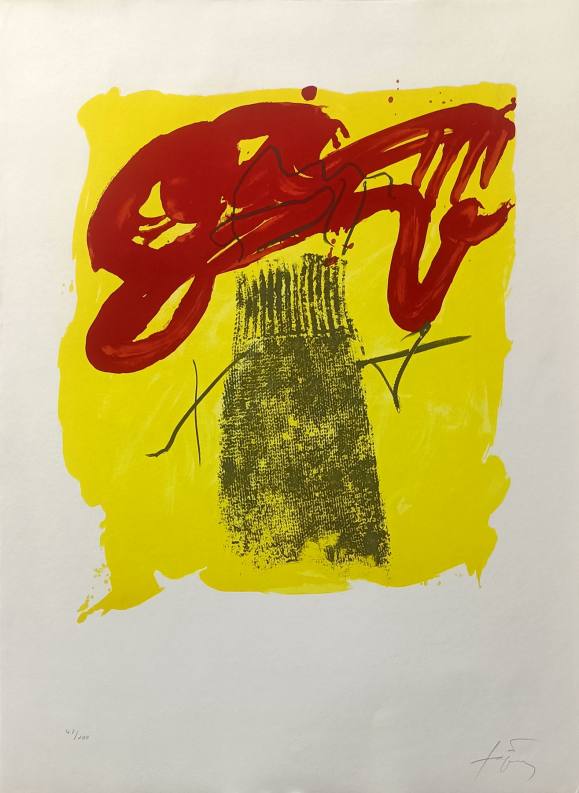
The short run: When you buy an engraving or a lithograph, you will find a numbering like "5/50". This means that the work is the fifth of a total of fifty copies that have been printed from that matrix. A short run (for example, 10 or 25 copies) means that the work is much scarcer and, therefore, more valuable. The artist limits the number of copies to maintain the exclusivity of their work.
In summary, while engraving is characterized by incision and relief, lithography is distinguished by its flatness and the repulsion between grease and water. And in both cases, the value of the work is reinforced by the artist's signature and the limited number of copies, making each piece a unique and unrepeatable gem. The next time you come across one of these artworks, you will be able to appreciate the history and the process behind it.