Joan Ponç: The Master of the Invisible and the Architecture of Neurosis
Subastas de arte online Ponç i BonetIn the history of Spanish postwar art, few names resonate with the power and mysterious darkness of Joan Ponç i Bonet (Barcelona, 1927 - Saint-Paul-de-Vence, 1984). Considered a central figure and the tortured conscience of the Catalan avant-garde, Ponç was much more than a painter: he was a cartographer of inner abysses, a magician who invoked the grotesque and the magical on canvas and paper.
His emergence in 1948 as a co-founder of the group Dau al Set, along with figures like Antoni Tàpies and Joan Brossa, represented an act of cultural resistance. Amidst the Francoist suffocation, Dau al Set advocated for an art of liberation, anchored in surrealism, primitive art, magic, and intense psychological introspection, elements that Ponç embraced and carried to their ultimate consequences.
The Aesthetics of Fregolism and Graphic Expressionism
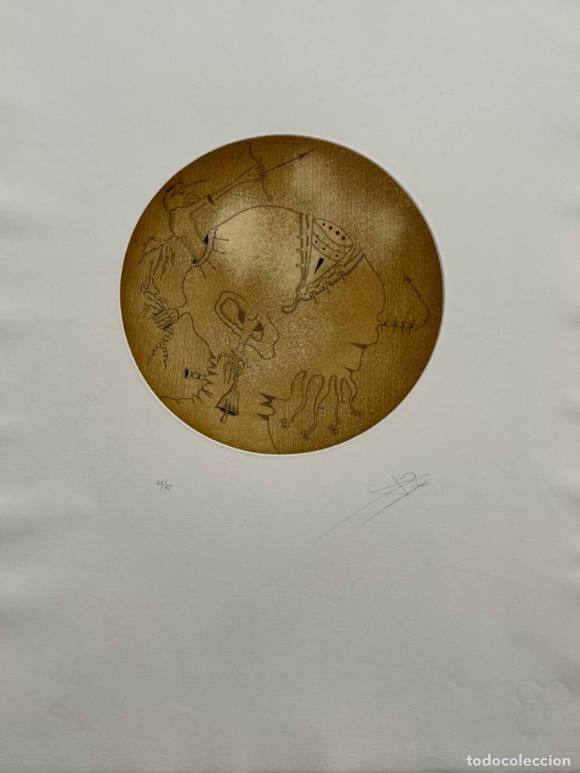
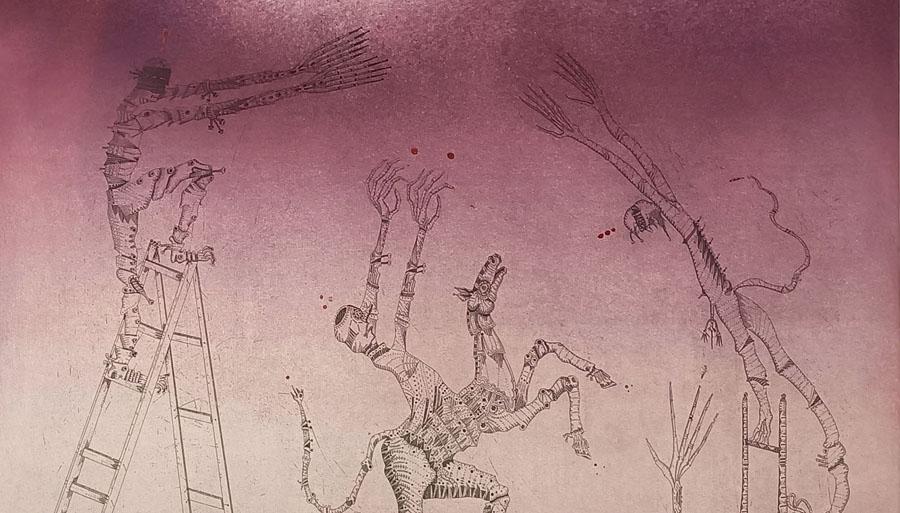
Ponç's work is characterized by a unique visual language, populated by filiform figures, undefined beings, wide-open eyes, and an iconography of signs and scribbles that seem written in an ancestral code. Under the influence of Paul Klee and Germanic expressionism, Ponç developed a sober palette, dominated by blacks, ochres, and muted reds, achieving an atmosphere of perpetual unease.
His art is the visible manifestation of neurosis, fear, and existential loneliness. He does not paint what he sees, but what he feels. Like a shaman who transforms pain into symbol, Ponç forces us to confront that inner theatre, where the subconscious overflows with ghosts and small tragedies.
Graphic Works in Auction: The Manifestation of Psychic Tension
Graphic work occupies a fundamental place in his production, especially during his mature period in the 1970s. Engraving, etching, and lithography allowed him a raw and immediate expressiveness, ideal for capturing his universe of symbolic terror.
Currently, the market offers an exceptional opportunity to acquire representative works from this period. We analyze four key pieces in the auction:
1. Neurasthenic Suite (1969)
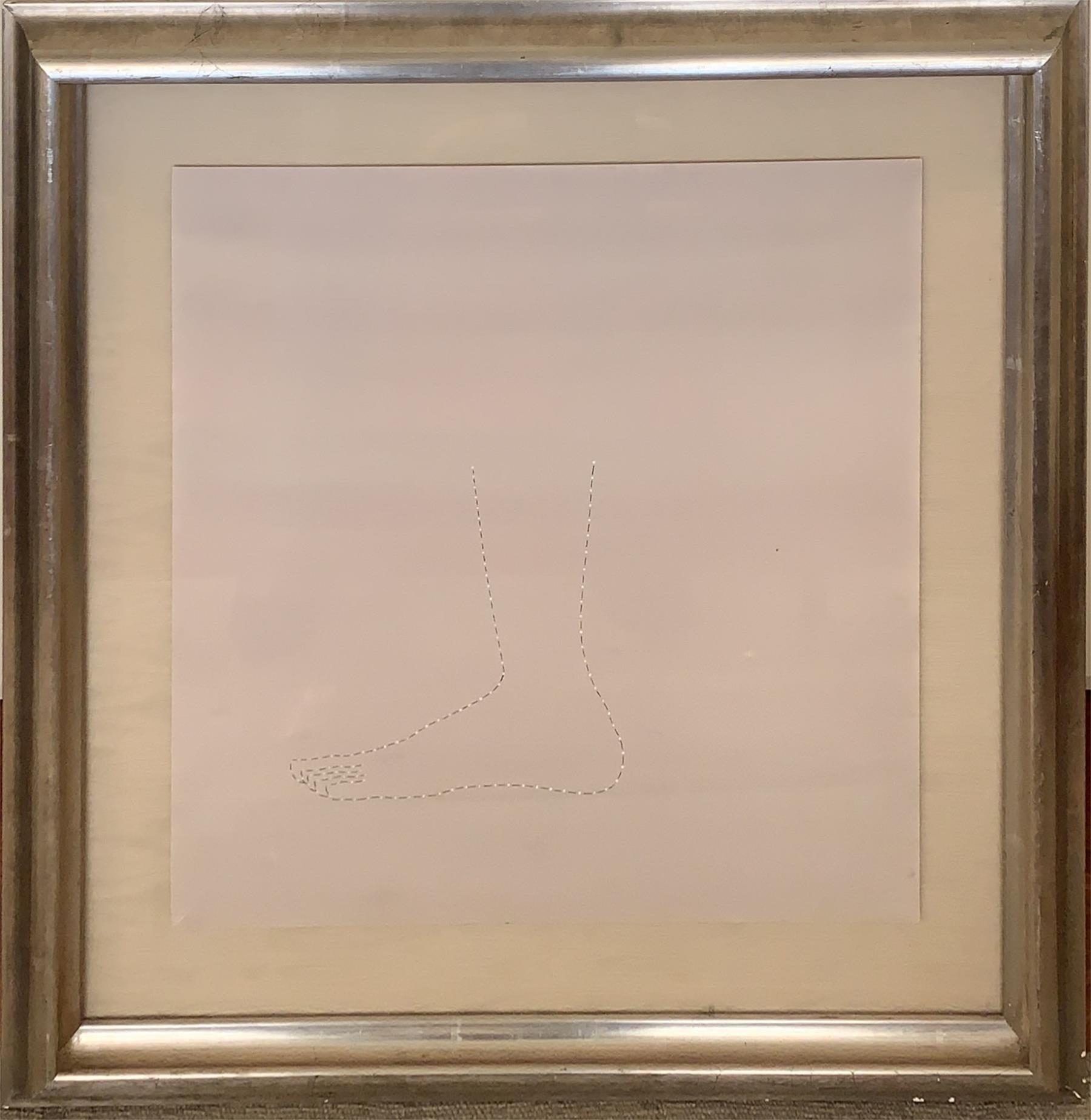
This piece of mixed media on paper (49x49 cm) is fundamental. The choice of the title, "Suite Neurasténica" (Neurasthenic Suite), is a declaration of principles. Neurasthenia, a term that evokes nervous fatigue and psychological anguish, perfectly defines Ponç's artistic exploration. Being a "suite" (generally a series or set), the work probably represents a sequence or accumulation of tense mental states, using the mixed media to achieve a more organic and torn texture, marking the end of the 60s and the beginning of his most intense production.
2. Esfereit (Fear/Fright) (1973)
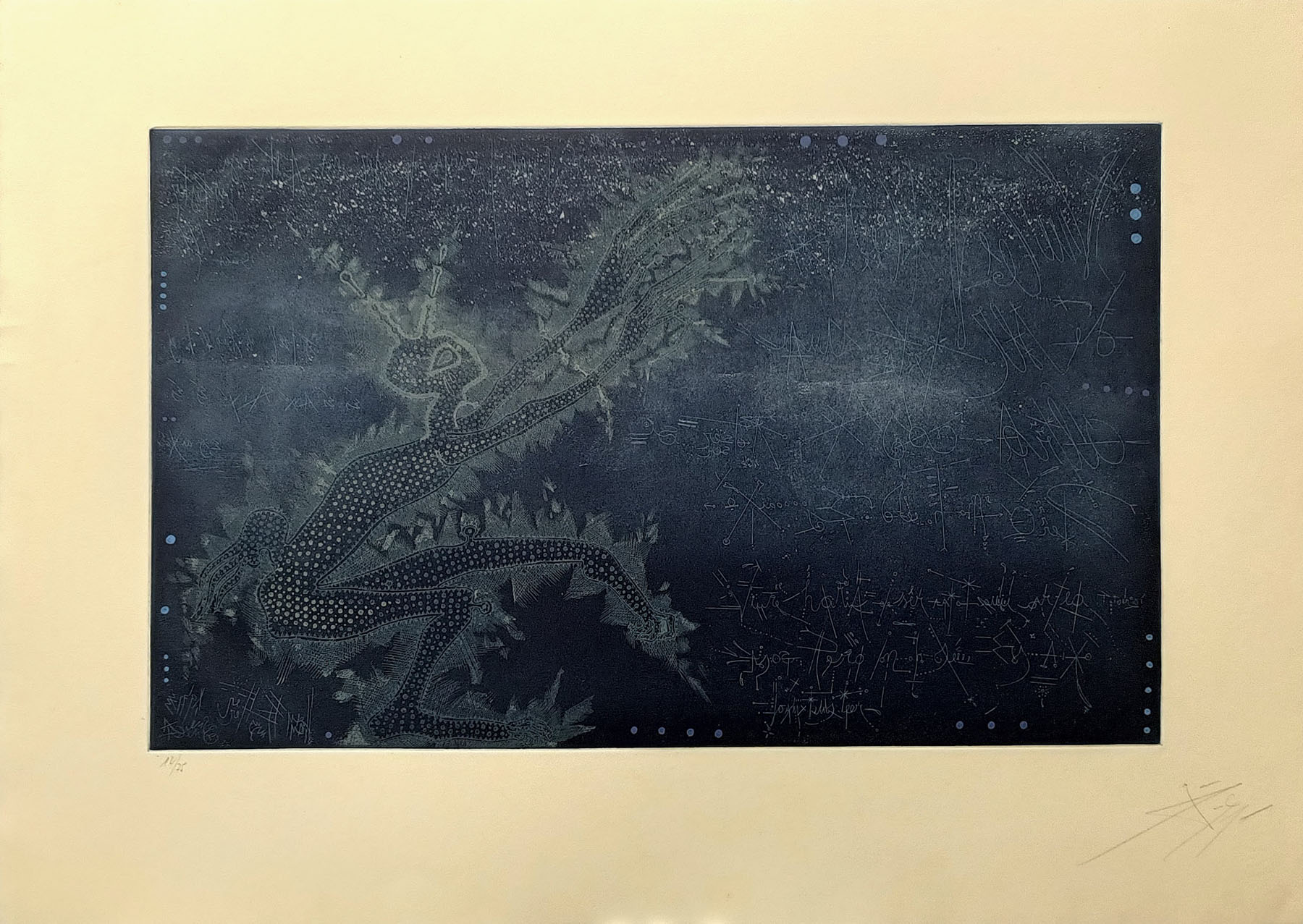
The title, which in Catalan means "Fright" or "Terror", is unequivocal. This 1973 engraving (57x77 cm) condenses the essence of his imagery, where fear is not a mere subject, but the raw material of the composition. Ponç's graphic work from this year often features figures that seem to disintegrate or scream into a primordial void, a reflection of the fragility of the human mind under pressure.
3. Autumn (1973)
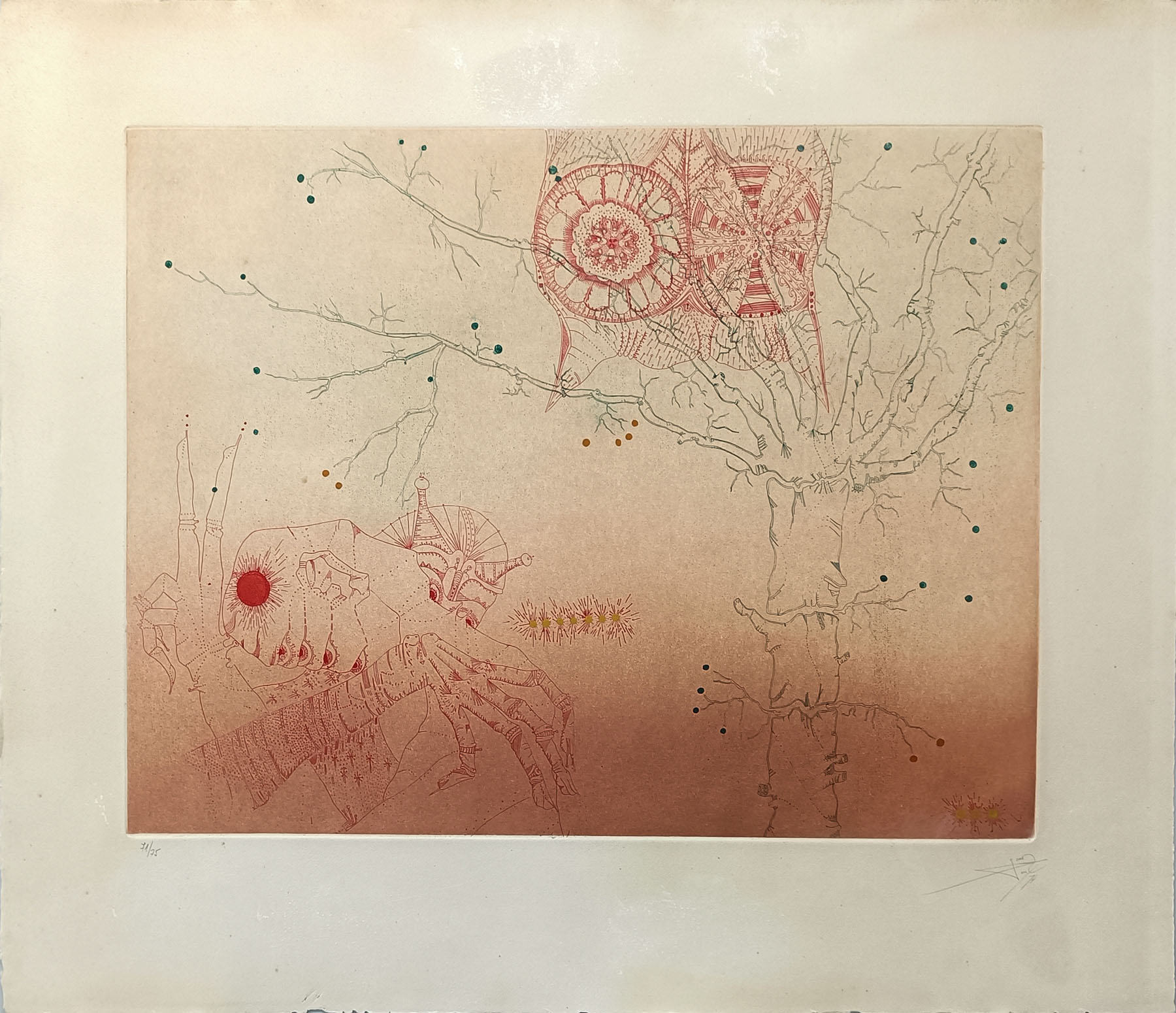
Unlike the explicitly psychological titles, "Otoño" (Autumn) (engraving, 71x82 cm) suggests a natural cycle of decline and melancholy, resonating with Ponç's existential philosophy. The "autumn" in his work is not a bucolic image, but the prelude to darkness, the symbolic representation of the passage of time and the consequent existential fragility, all executed with the gestural force that characterizes his large-format prints.
4. La mort del mosquitos (The Death of the Mosquitoes) (1975)
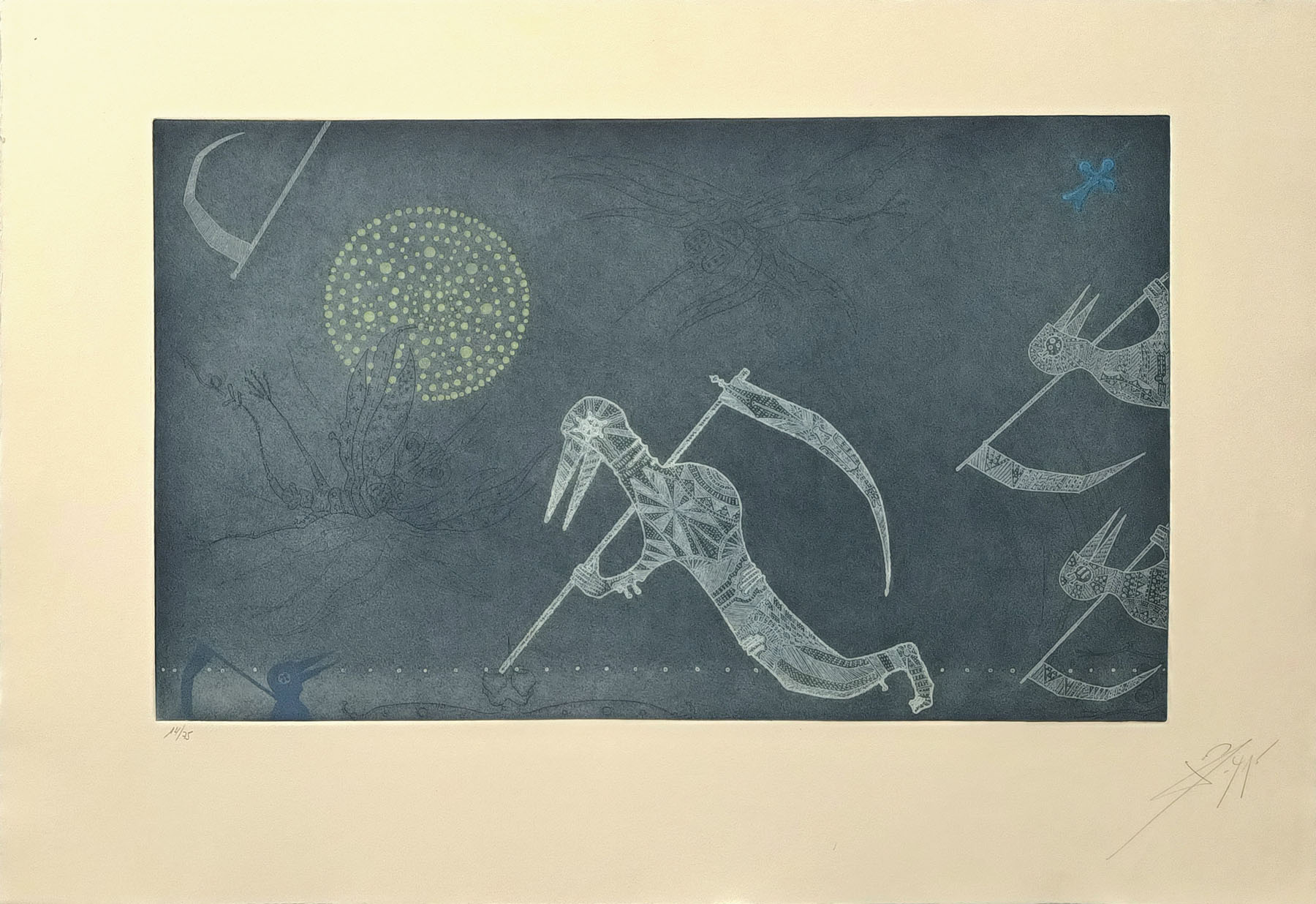
With this title, "The Death of the Mosquitoes" (engraving, 56x77 cm), Ponç elevates a trivial and everyday event to the category of grotesque tragedy. This resource of magnifying the insignificant (a very Dau al Set concept) underscores his interest in black magic and the irrational. Just as Miró's surrealism converts organic forms into cosmic symbols, Ponç transforms the death of an insect into an allegory about the transience of life or the arbitrariness of fate, with the technical precision he mastered in the mid-70s.
Ineludible Legacy
Joan Ponç did not seek gentle beauty, but the uncomfortable truth. His work is a concave mirror that distorts reality to reveal its darkest core. Acquiring a piece of his graphic work is not just an investment; it is an invitation to deep introspection and to possess an essential fragment of the Spanish postwar avant-garde. His legacy remains a powerful warning about the fragile limits of reason.