Teresa Vilarrubias (1912-2019): A Legacy of Texture and Emotion
Pintura contemporánea Pintura Arte modernoThe work of Teresa Vilarrubias, born in 1912 and with a life journey that extended until 2019, invites us into a pictorial universe where matter, color, and emotion intertwine masterfully. The pieces before us are an eloquent testimony to her style, characterized by impasto and vibrant brushstrokes that lend her canvases an almost sculptural three-dimensionality.
The Force of Matter in Her Female Portraits
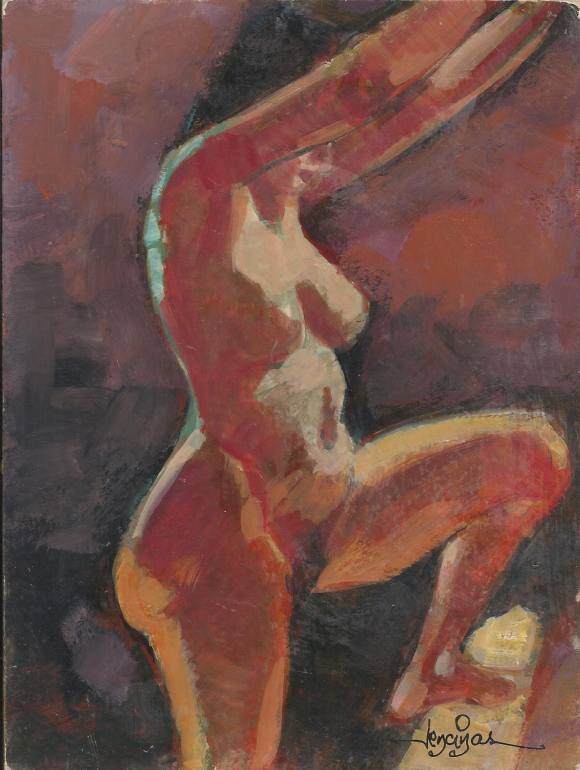
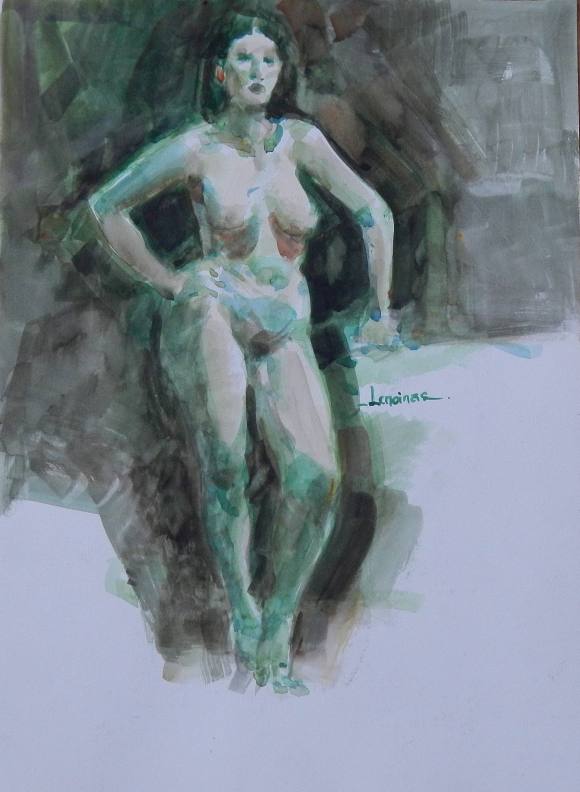
It is in her female representations where Vilarrubias's uniqueness shines with special intensity. Works like "Woman with Fruit Basket", "Doña Esmeralda", "Two Women", and "Femeni" immerse us in a deep study of the figure. The artist does not seek photographic realism but a deeper truth, captured through texture and suggestion. The faces, often blurred or hinted at, allow attention to focus on the overall expression and the interaction of colors.

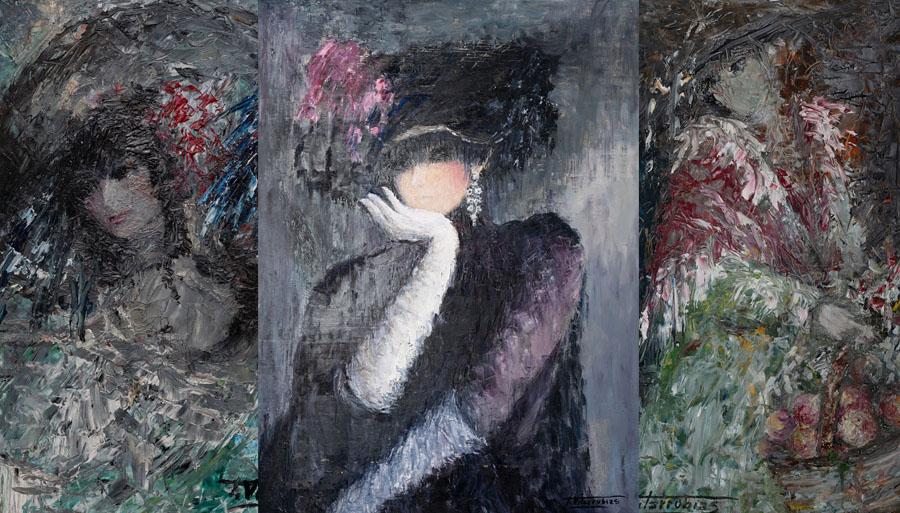
In "Woman with Fruit Basket," the figure emerges from a dark background, with brushstrokes in reds and whites that hint at the clothing and the richness of the fruit. The composition conveys a sense of introspection, almost mystical. Similarly, "Doña Esmeralda" presents us with an enigmatic face, where brushstrokes in gray and ocher tones combine with vibrant touches of blue and red, creating an atmosphere of mystery and sophistication. The gaze, though subtly defined, possesses great strength.

"Two Women" and "Femeni" explore female relationships and presence. In "Two Women," the boldness of the brushstrokes and the juxtaposition of colors suggest a conversation or a deep connection, while in "Femeni," the arrangement of the figures and the use of pastel colors evoke a palpable delicacy and complicity. The impasto does not detract from femininity but reinforces it, giving the figures undeniable solidity and presence.

The piece "Woman with Black Hat" is perhaps the most direct in its representation of an individual figure, while maintaining the characteristic abstraction in the facial features. The elegance of the hat and the detail of the earring, along with the gesture of the hand, speak of an artist who mastered composition and the ability to suggest a narrative without needing excessive detail. The palette of grays and blacks, dotted with touches of pink, creates a sophisticated harmony.
The Landscape: A Reflection of Chromatic Sensitivity
Although her female portraits are predominant in this exhibition, the "Landscape" reveals another equally captivating facet of Vilarrubias. Here, the artist applies the same impasto technique to construct a natural environment, where trees stand with astonishing vitality. The autumn colors, intense reds, oranges, and yellows, blend with greens and blues, creating a vibrant and emotional atmosphere. The thick brushwork not only conveys the form of natural elements but also the light and atmosphere of the moment, almost allowing us to feel the texture of the leaves and the breeze.

An Artist of Emotion and Texture
Overall, Teresa Vilarrubias's works demonstrate an exceptional mastery of the impasto technique, using it not merely as an aesthetic resource but as a tool to infuse emotion and depth into her creations. Her focus on the female figure, often enigmatic and powerful, suggests an exploration of identity and beauty from a unique perspective. The "Landscape" complements this vision, showcasing her ability to capture the essence of nature with the same intensity and passion.
Vilarrubias was, without a doubt, an artist who dared to go beyond literal representation, building her works with layers of paint that are, in themselves, a language. Her legacy lies in the ability of her canvases to resonate with the viewer on a visceral level, inviting us to experience art not only through sight but also through sensation and emotion. Her pieces are an enduring testament to her talent and artistic vision.