
What is art? (I)
Picasso TàpiesArt imbues multiple aspects of our daily life, and it is a more than recurrent word in our conversations. However… have we ever stopped to consider what exactly art is?
If we consult the Dictionary of the Royal Spanish Academy (RAE), we see that it defines the term “art” in the following way:
“Manifestation of human activity by which reality is interpreted or the imagined is expressed using plastic, linguistic, and auditory resources.”
For its part, Google's “Define” command—one of the most relevant systematizers of knowledge in the present digital era—goes further by attributing an aesthetic function to the process of artistic creation:
“Art is the activity in which man recreates, with an aesthetic purpose, an aspect of reality or a feeling in beautiful forms, making use of matter, image, or sound.”
In this way, we can appreciate, both in the definition from the Royal Academy of the Language and in the one provided by Saint Google, certain elements that could limit the concept and question which works can be considered art and which cannot. Do works of art intend to interpret reality or rather to account for the imaginary...? Does art aim to surprise or reveal the unknown, the latent...? Does art seek beauty...? What, in itself, is beauty?
A priori and from these meanings, defining the concept of art does not seem like a simple task. Furthermore, each artist has their own idea of what this word means, so, rather than a debate, for now we propose a brief review of the definitions that different painters gave to the controversial word "art", in order to find in their conceptions some central ideas that allow us, in some way, to define such a broad human reality.
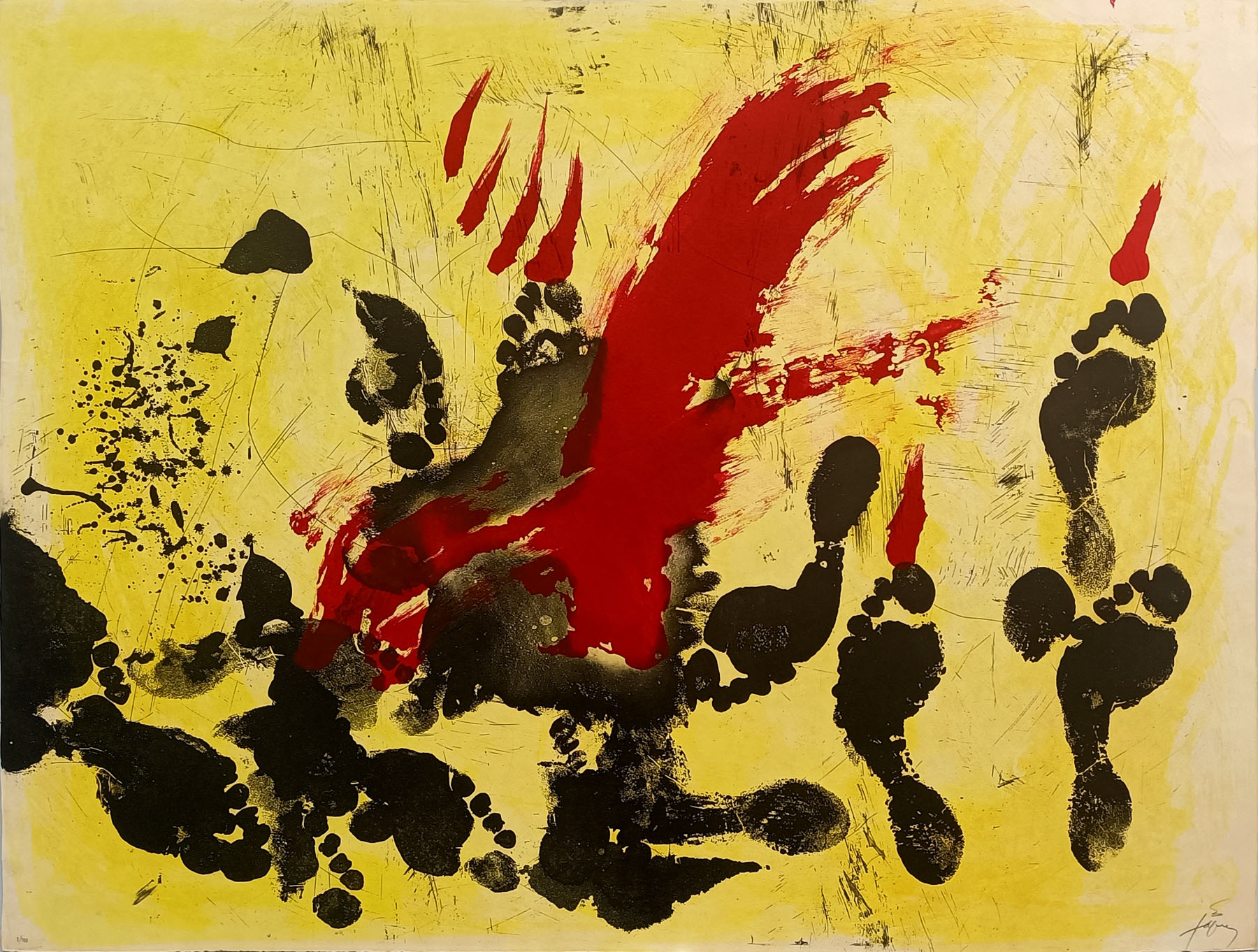
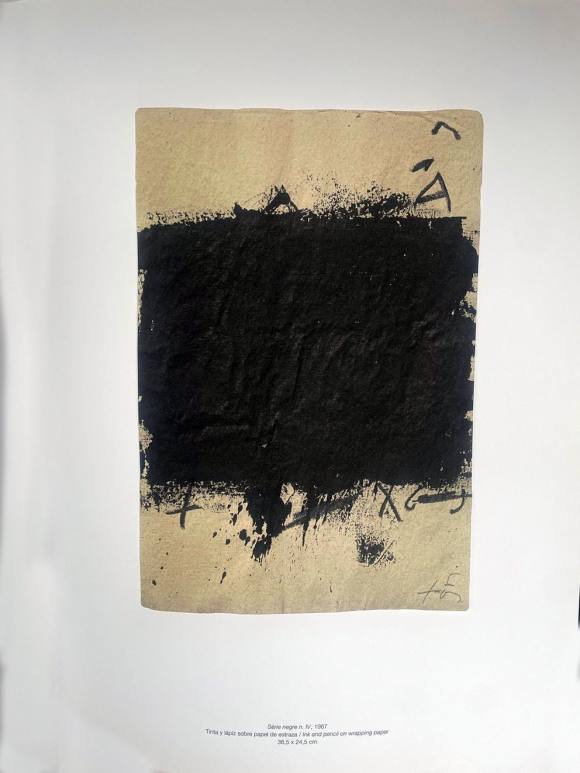
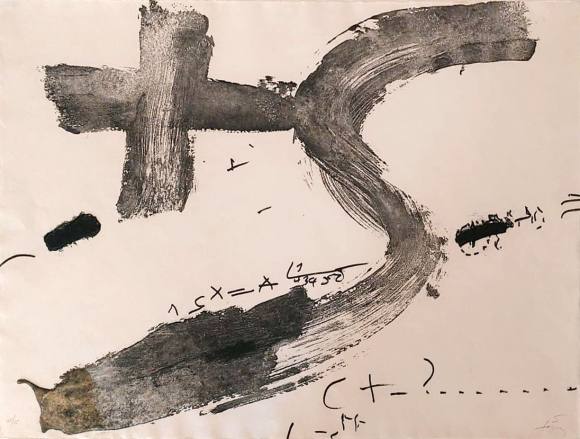
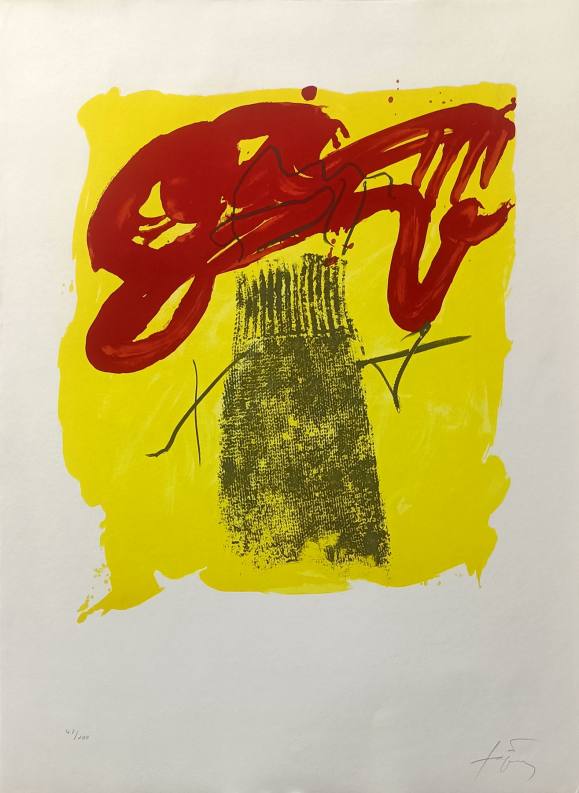
Art according to Antoni Tàpies
“Art is the philosophy that reflects a thought.”
“Great artists must aspire to change the world.”
“A work of art should perplex the viewer, make them meditate on the meaning of life.”
“Art does not have to be understood, it must be felt. Let yourself be carried away by the emotions it provokes without needing to explain it.”
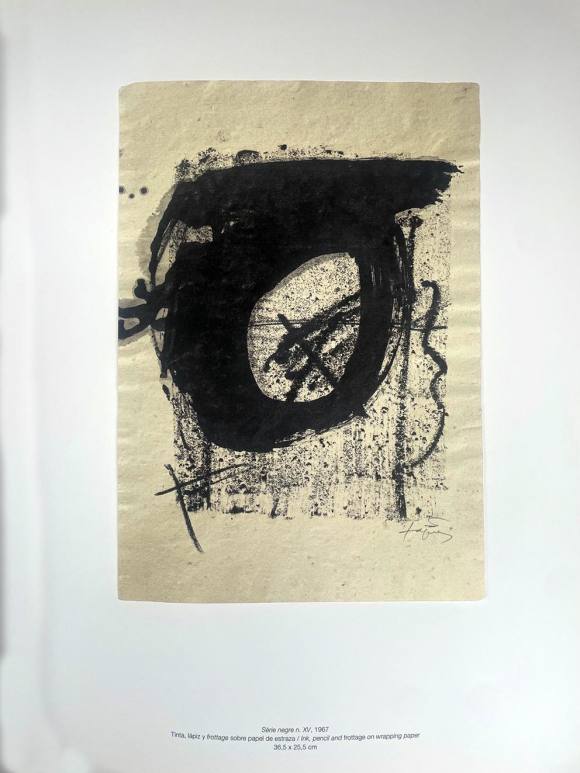
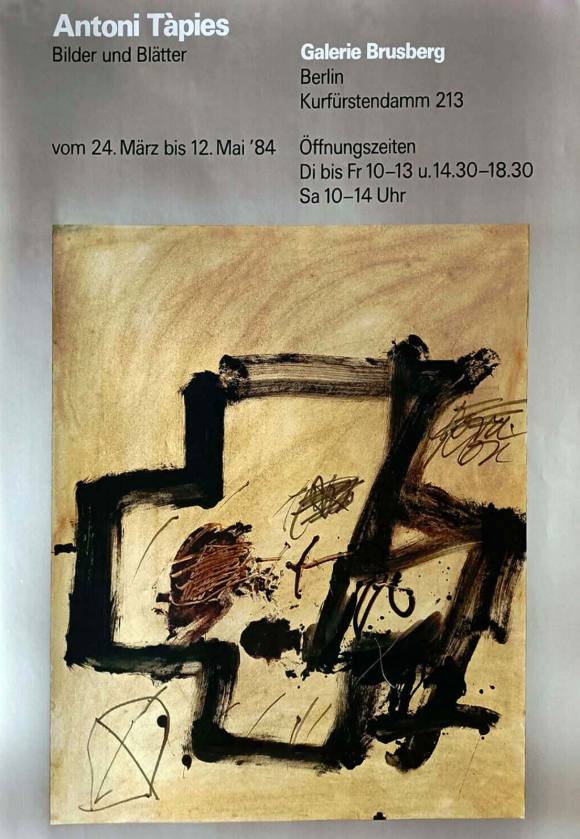
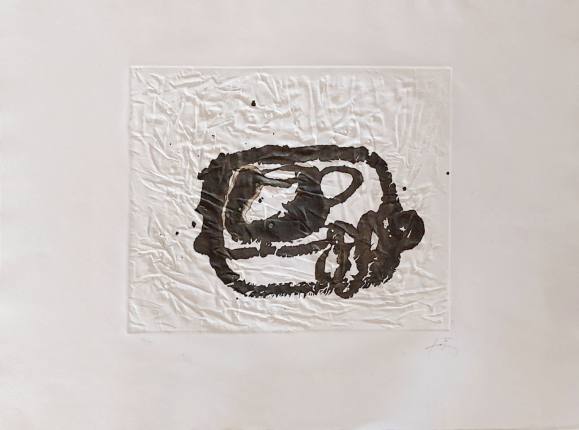
Antoni Tàpies is the main representative of Matter Painting. His artistic career follows a process of intense technical experimentation with which he sought to generate a totally new plastic language, basing it on the symbol and the expressive force of matter, which achieves a central role in the work of the Catalan painter, becoming the hallmark of his artistic style.
It is in light of this motivation that such famous phrases as those heading this section make sense; for Tàpies, art is the felt expression and perception of a philosophical reality, of a state of mind, of a thought that, through surprise, can make us rethink aspects we already knew about reality itself, made explicit through the hand of the artist in a new, unique, and different way.
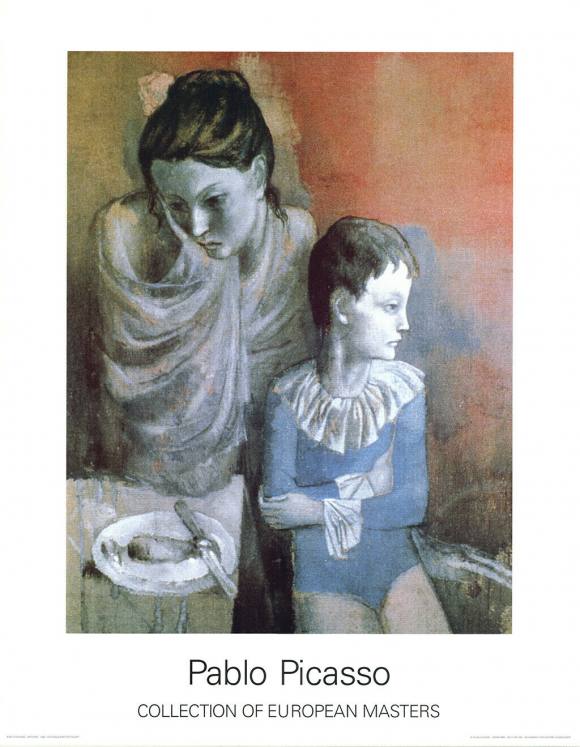
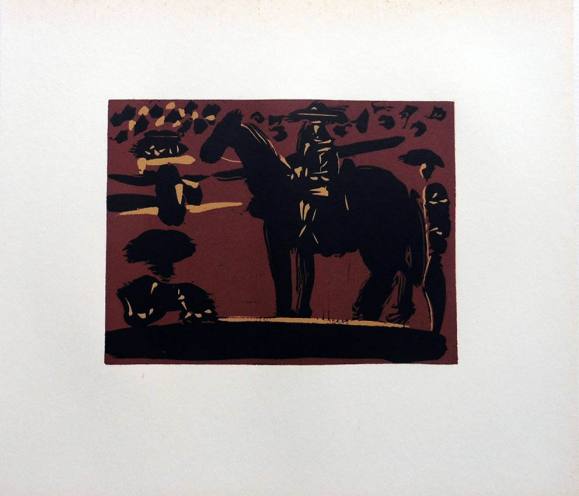
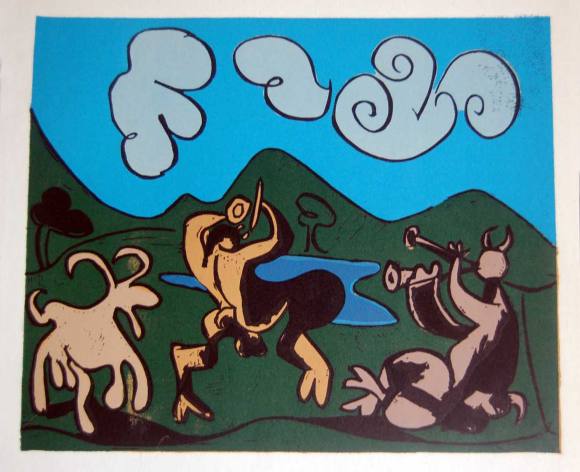
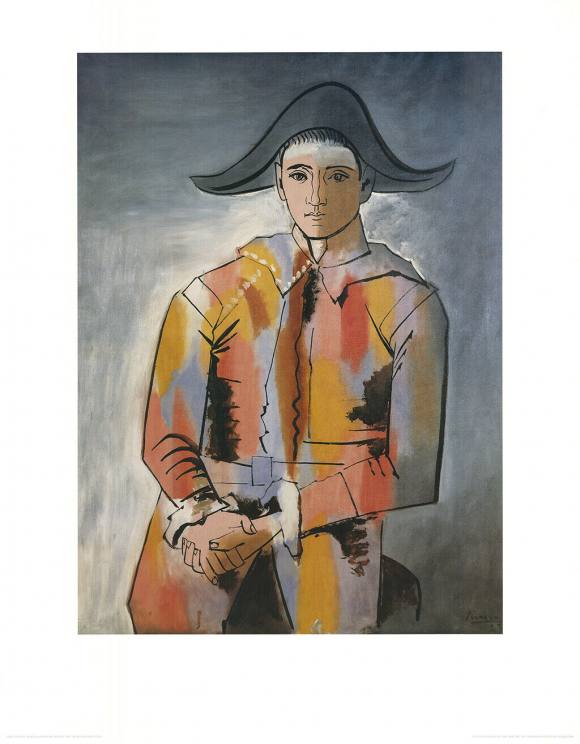
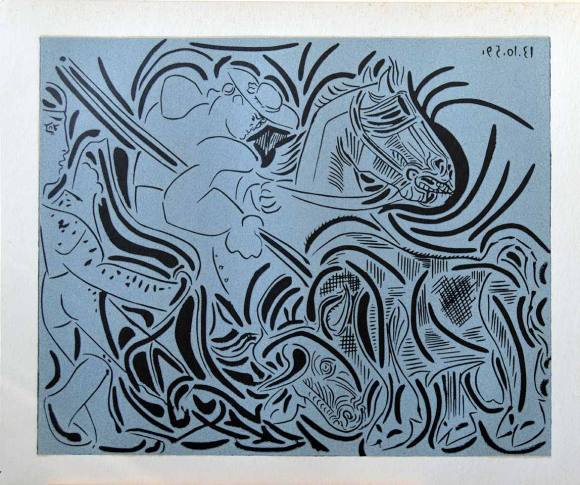
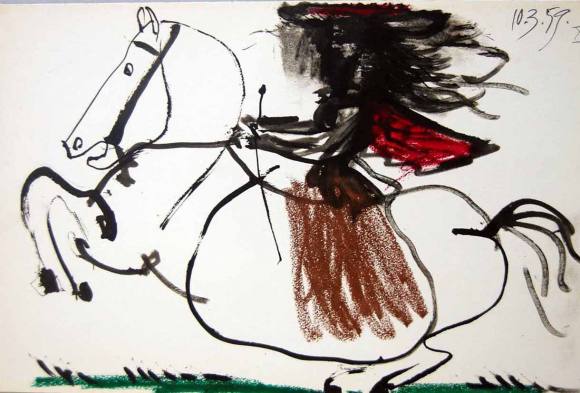
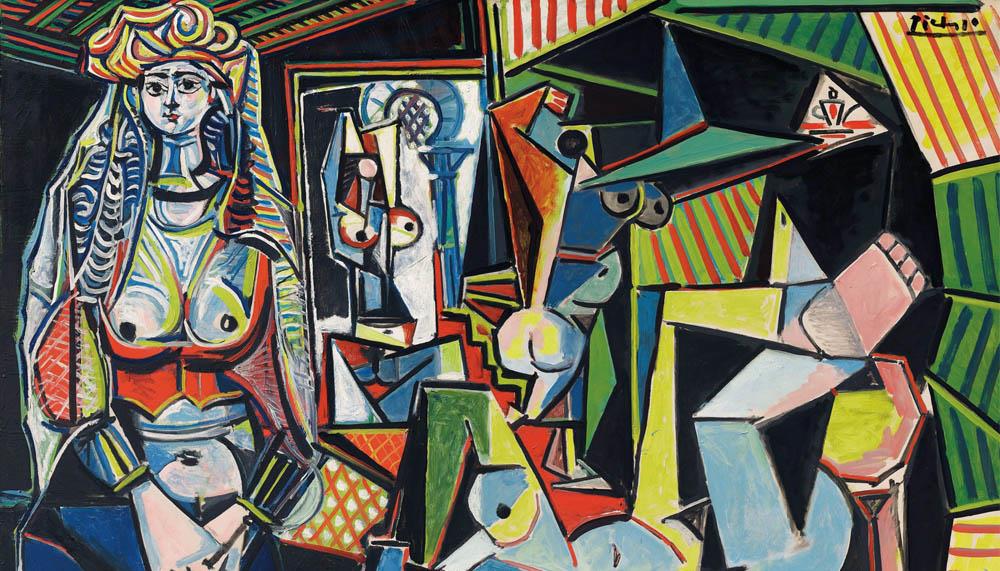
Art according to Pablo Picasso

“Art is eliminating the unnecessary.”
“The purpose of art is washing the dust of daily life off our souls.”
“Art is not reality; it is a lie that makes us realize reality, at least a reality that we are capable of understanding.”
“Art is not the application of a canon of beauty, but what instinct and the heart see beyond any canon. When we love a woman, we don't start measuring her limbs.”
Pablo Picasso was a painter as brilliant as he was complex. Known mainly for being considered one of the greatest exponents of Cubist painting, his artistic work went through various stages that inexorably led him to a substantial, concrete painting, in which reality was reduced to its simplest forms, giving rise, through the sum of these, to an alternative and boldly new reality.
As we see, Picasso dissociates art from reality, thus rejecting the idea that artistic production has reality as its undisputed reference. For the Cubist painter, art is a lie, a reduction to the essential that allows us to glimpse the intricacies of our own perceived reality in a new light.
According to his words, there also does not seem to be a direct relationship for Picasso between art and concepts—always fleeting—of beauty: for the artist—and excuse the cliché—beauty lies in the eye of the beholder, in what we are capable of perceiving beyond the representation, as if the work of art itself were carrying a meaning that cannot be captured by the eye, but by the heart. We are then talking about art as a generator of a visceral reaction; a consummation of the concept of “art” that depends on perception, thus giving rise to as many meanings as there are minds willing to generate them.
Picasso also mentions in these famous quotes the emancipatory function that, for him, art must have. Thus, following the master of Cubism, art must reanimate the soul, pulling it out of the lethargy caused by routine and the litany of the unmagical daily grind. We therefore understand art in Picasso as a door to an already hidden reality, overlapped by our own disillusionment, visible in any case to the still awake and innocent eyes of children. In Picasso, art is, at the very least, a way of rediscovering our own reality as human beings.
What do you think? Do you dare to share your concept of art with us?

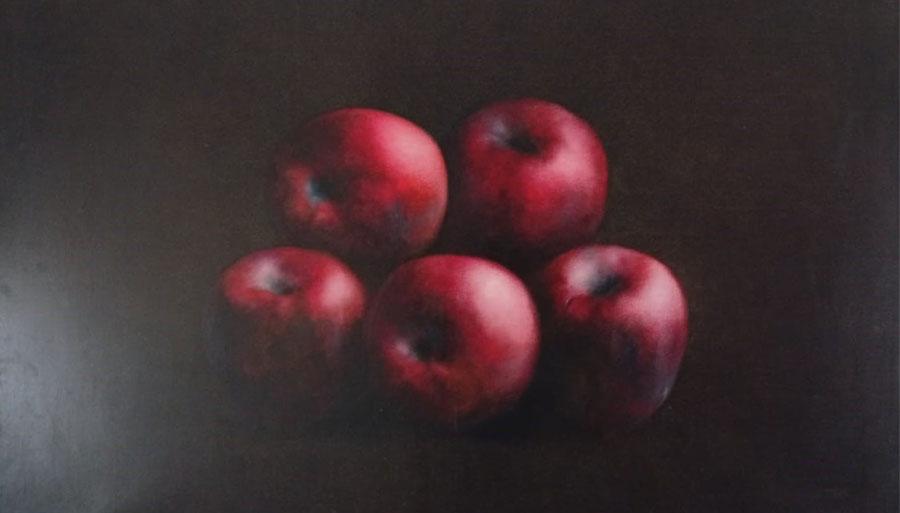




Definición de arte: http://www.indexarte.org/informes/52/la-definicion-del-arte.htm
Arte son sus bellos ojos
No estoy segura, después de todo Pablo Picasso se volvió famoso por pensar diferente, pero obviamente en su días de vida no lo iba a hacer por sus garabatos, simplemente el crear arte es un camino solitario si deseas que miren tu arte sin que vean algo "bonito" a primera vista. Yo digo que Pablo Picasso como otros artistas son importantes solo por su persona más no por su arte.